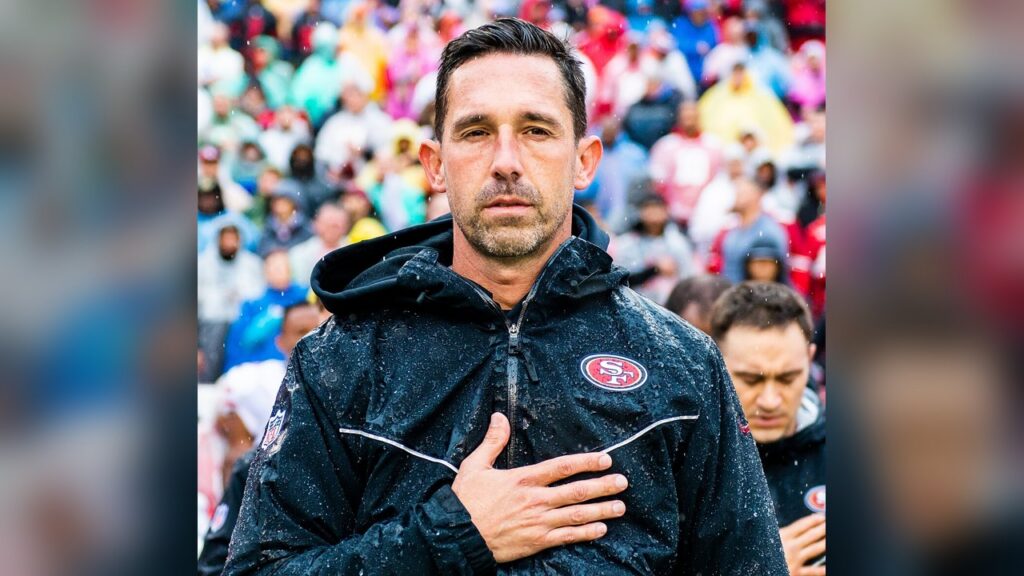
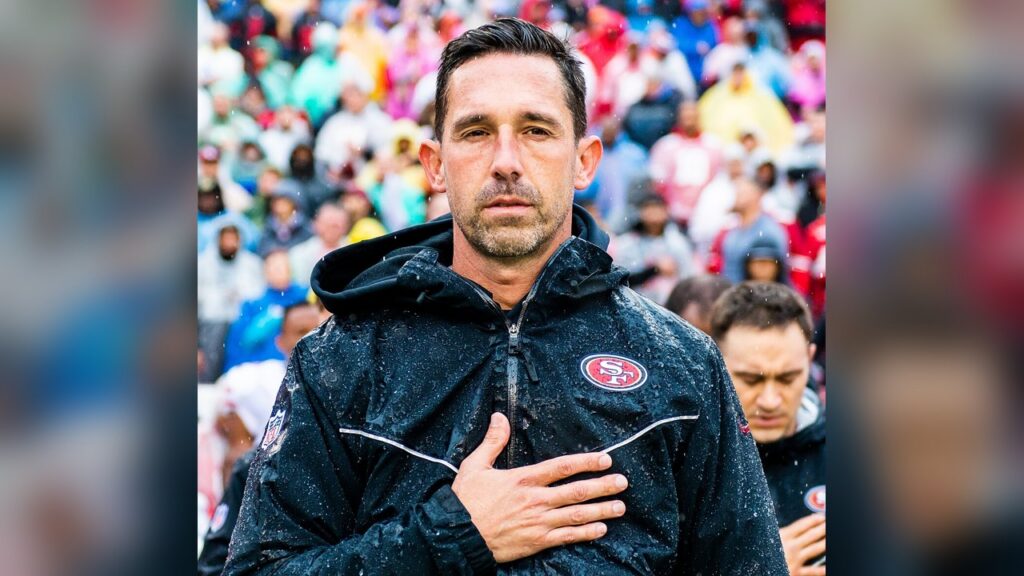
The 49ers’ 2026 training camp opened Saturday with a statement nobody saw coming: head coach Kyle Shanahan had been in a serious car accident 11 days earlier. A concussion, a broken nose, three broken ribs, a broken hand, and more than 40 stitches to his face — and not a word about any of it until the exact moment the team was ready to talk.
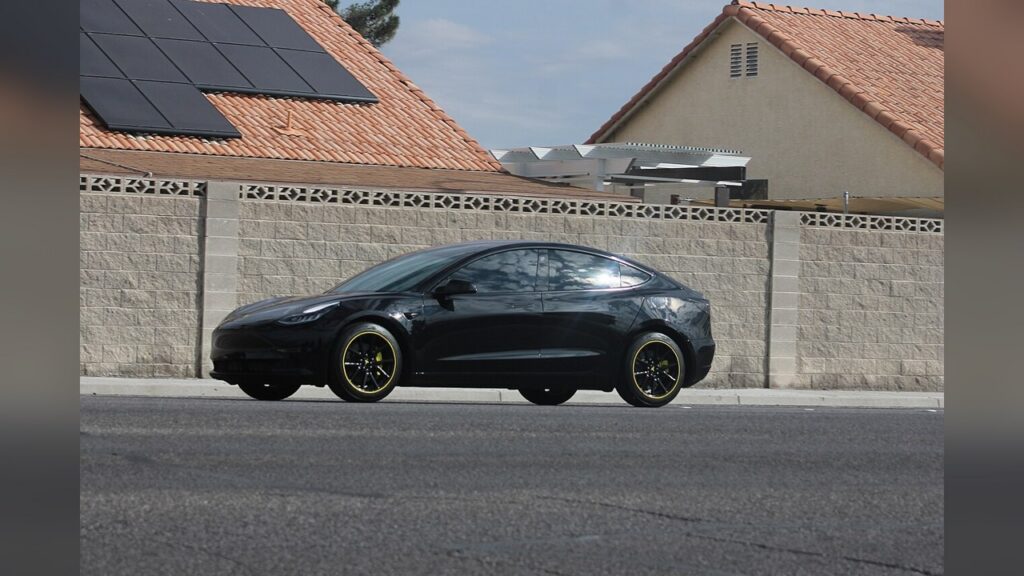
Shanahan’s black Tesla collided with a blue Mercedes SUV at 6:13 p.m. on July 14 at the intersection of Alma Street and Hamilton Avenue in Palo Alto, according to a police report obtained by the San Francisco Chronicle. Dispatcher audio reviewed by the paper noted “reports of one driver bleeding from the head.” Shanahan was taken by ambulance to a local hospital and released the same day. The other driver was not injured. No citations were issued. Drugs and alcohol were not a factor.
Then: silence. For 11 days.
The disclosure arrived at noon Eastern on Saturday — the first day of training camp. Adam Schefter’s first tweet went up at 12:01. The ESPN article at 12:02. Nick Wagoner, who covers the 49ers for ESPN and shared the byline, reposted at 12:03. A one-minute gap between the team’s statement and ESPN’s reporting is not a coincidence. It’s a choreography.
Mike Florio of ProFootballTalk laid out the problem plainly. ESPN had details that weren’t in the 49ers’ release — injury specifics, law enforcement confirmation that the other driver was uninjured, the finding that no substances were involved, the decision not to cite anyone. That kind of information doesn’t arrive by accident. It arrives through a conversation, and conversations have terms. Florio noted that the NFL now owns 10 percent of ESPN, which means the 49ers technically own a sliver of the network. He pointed out that the accident happened on a public highway, that public agencies responded, and that basic information was available to anyone who went looking for it.
“Brokering a deal to hold publicly-available information until the team decides to disclose it isn’t journalism,” Florio wrote. “It’s the antithesis of journalism.”
Tim Kawakami of the San Francisco Standard dropped a hint before the news broke — “I think there’s going to be some news later this morning” — and later admitted he knew about the accident but didn’t report it because he “knew about 15% of the details.” He knew 100 percent of the fact that the head coach of an NFL franchise had been in a car crash. That was the story. The other 85 percent was