
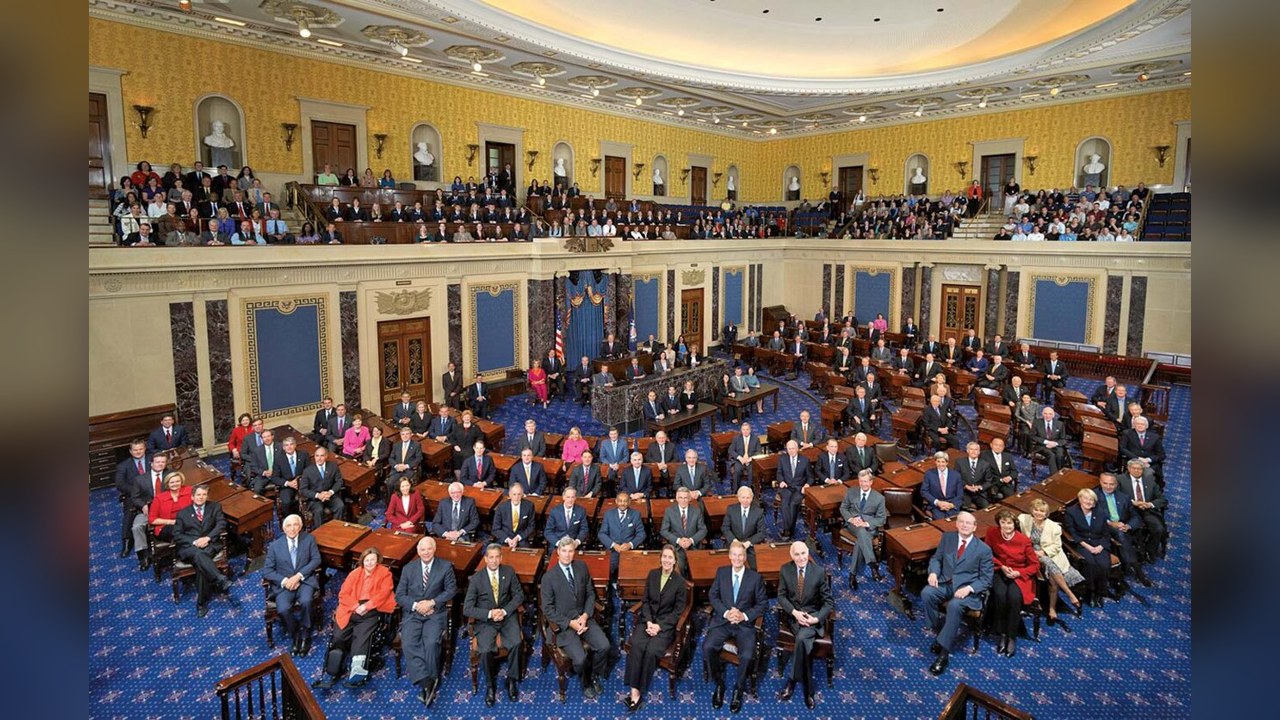
Three weeks. That’s what’s left on the clock before Congress packs up for a monthlong recess on August 7, and the people trying to pass the Protect College Sports Act know it. Senators Maria Cantwell, Ted Cruz, and Eric Schmitt are rewriting chunks of their own bill in real time, trying to get the SEC and Big Ten — the two biggest dogs in the yard — to stop growling long enough to sign off.
Here’s the play they’re drawing up. According to Yahoo Sports’ Ross Dellenger, the latest revisions would cap any single conference at 19 schools and force any program jumping from one power league to another to go independent for five years before suiting up in its new conference. Think of it like a transfer redshirt, except instead of sitting one year, you’re wandering the schedule like a stray for half a decade. That’s a long time to be coaching kids with no conference title to play for.
The original bill froze power-conference membership where it stood, which locked out every school in the American, Sun Belt, Conference USA, MAC, Mountain West, and what’s left of the Pac-12. Cantwell told Yahoo Sports that’s changing. “I want teams to be able to move where they want to, like Washington State,” she said Thursday from the Capitol. An adjustment to the anti-expansion language will let those so-called Group of Six programs accept invitations up to the Power Four — the SEC, Big Ten, ACC, and Big 12.
The revisions also target a fear that’s been rattling around commissioner offices: private equity outfits poaching 20 to 30 marquee brands and forming a breakaway super league. New language would block third-party entities from doing that, a concession the Senate Commerce Committee already agreed to last month at the SEC and Big Ten’s request.
Then there’s the money problem. A provision added before the committee vote in June swept all athlete NIL deals involving multi-media rights partners into the bill’s compensation cap. Schools use MMRs and university sponsors to funnel dollars to players, and the cap was meant to close that loophole. But it might choke off millions in legitimate earnings. Cantwell acknowledged the language “confused it” and said lawmakers are trying to fix it so only activity without a valid business purpose gets capped.
Schmitt, the Missouri Republican, framed the scramble in plain terms. “We’re really trying to get to a place where we have as much agreement as we can possibly have,” he told Yahoo Sports. “Most people want to get something done.”
Whether they get it done before the clock hits zero is another matter. Cruz pitched fellow commissioners on a floor vote as early as next week, though Dellenger reports a more realistic window is the week of July 27 or August 3. The bill needs 60 votes in a 100-seat chamber with a three-seat Republican majority. Six Democrats backed it in committee last month, 19-9, but opposition runs in both aisles. Louisiana Republican Bill Cassidy, who chairs the Senate HELP Committee, called the bill’s silence on athlete employment a “huge issue” and is working on an amendment. If the Senate passes it, the House — where leadership has already pushed back — still has to act.
And if Congress fumbles? The SEC has a Plan B. Commissioner Greg Sankey briefed his athletic directors and university presidents Thursday on a self-governance model in which the conference writes its own rules, enforces them, and potentially competes only against itself. League officials believe a smaller subset of programs could sidestep the legal challenges that gutted the NCAA’s amateurism framework. One school official with knowledge of the meetings put it bluntly: “We are giving Congress time.”
They prefer legislation. But the film doesn’t lie — time is short, the votes are uncertain, and the two conferences everyone needs have made it clear they’ll only back a bill that protects their turf first.