
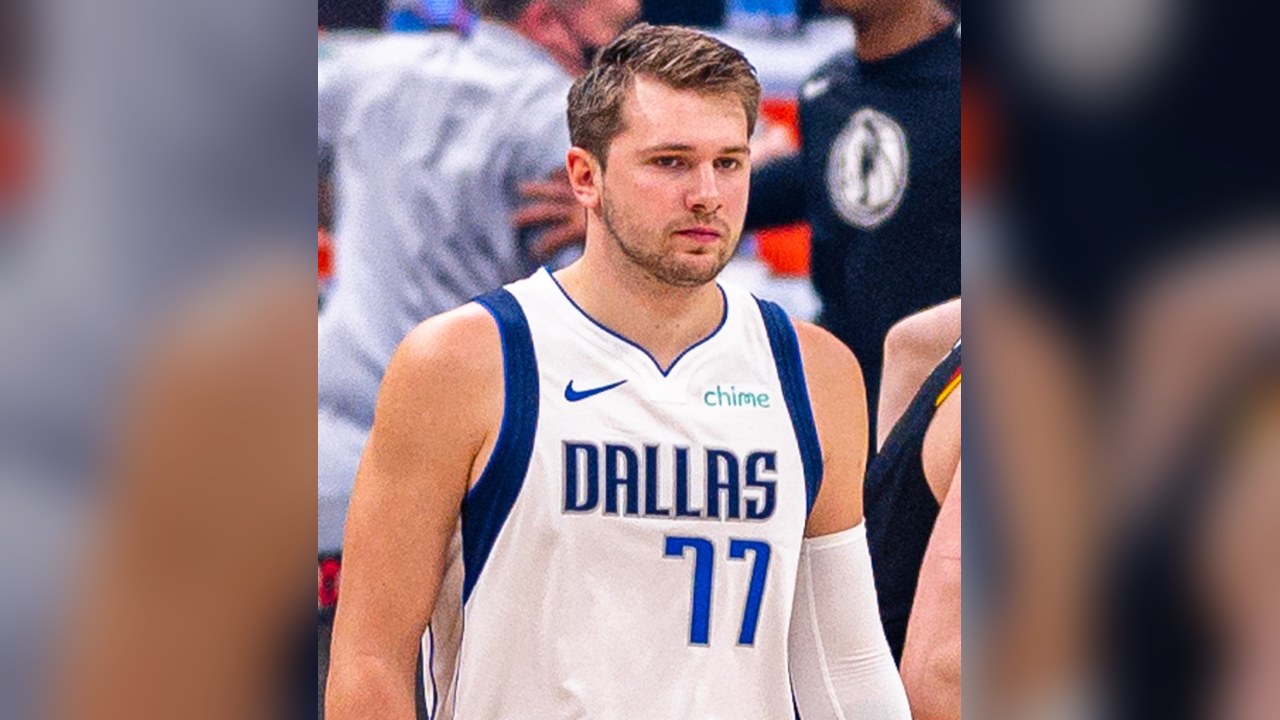
The Luka Doncic heist keeps paying dividends in ways the Lakers’ front office is only now beginning to fully exploit.
NBA insider Marc Stein reported Sunday that Los Angeles felt emboldened to aggressively pursue Utah Jazz center Walker Kessler in trade talks largely because the February deal that brought Doncic from Dallas cost so little in outgoing assets. “The trade assets preserved in that heist,” Stein wrote, “helped nudge them to a place where they believed they could withstand spending big on Kessler.”
Stein described the Lakers’ ability to establish a trade pathway for Kessler so quickly after the marketplace opened as a direct downstream effect of the Doncic deal’s lopsided terms — a transaction widely regarded as one of the most favorable acquisitions any franchise has pulled off in recent memory. The preserved draft capital and young-player flexibility gave Rob Pelinka’s front office the confidence to swing hard on a second major move without gutting the roster’s foundation.
The Lakers are reshaping their identity around Doncic and Kessler after losing LeBron James and Rui Hachimura in free agency — James departing for his fourth career free-agency sweepstakes, Hachimura exiting as well. The frontcourt overhaul has left L.A. thin at forward, a gap the organization is working multiple angles to fill.
One name surfacing with increasing frequency: P.J. Washington, Doncic’s former Mavericks teammate. A speculative three-team trade framework published by Heavy.com would send Washington to Los Angeles, with Dallas recouping veteran guard Jrue Holiday from Portland and the Blazers addressing a backcourt logjam. Washington, 27, is early into a four-year contract with Dallas, making a trade the only avenue — and the Mavs’ willingness to do business with the Lakers again, 17 months after the Doncic deal, is the obvious elephant in the room.
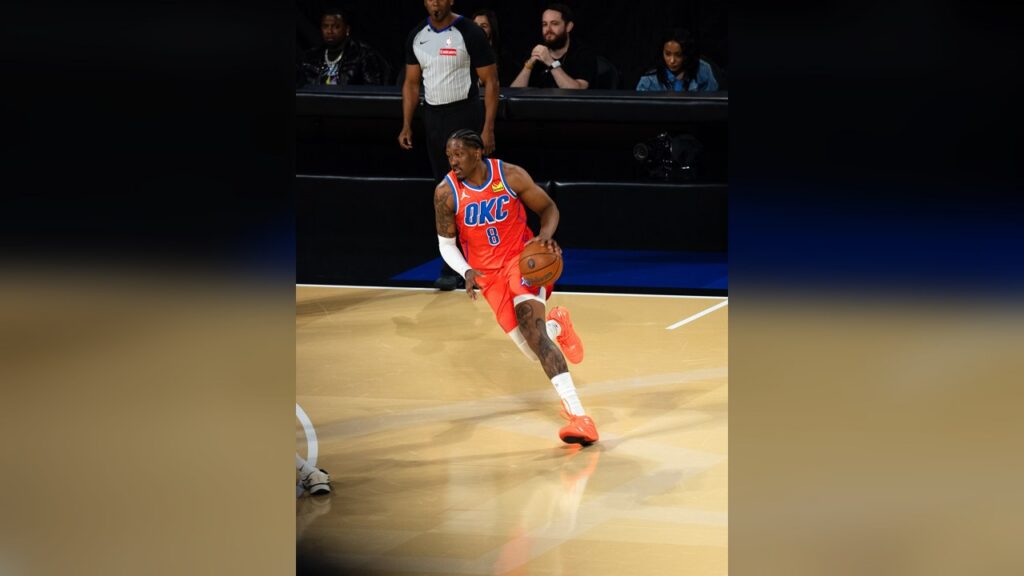
Dallas has shown signs of leaning younger, acquiring Zaccharie Risacher and signaling openness to moving veterans. Whether that extends to handing the Lakers another asset is another question entirely.
Meanwhile, a cheaper roster solution may already be in the building. Undrafted forward Arthur Kaluma averaged 18.6 points and shot 50% from three-point range across his final five NBA Summer League games, including a 34-point outburst against the Mavericks in Las Vegas. ESPN’s Ben Golliver named Kaluma the best undrafted player in this year’s Summer League, noting that the Lakers are “looking for size, physicality and two-way contributors as they rebuild their frontcourt.” Kaluma spent last season with the South Bay Lakers, averaging 14.6 points and 4.9 rebounds in 35 G League appearances.
The Lakers have added Quentin Grimes and Sandro Mamukelashvili to the mix, but neither addresses the forward deficit with Washington’s or Jonathan Kuminga’s two-way profile. Kuminga remains L.A.’s top free-agent priority, though contract negotiations with the restricted free agent have stalled, with Cleveland emerging as a competing suitor.
Stein’s reporting underscores the cascading logic of the Doncic trade: one lopsided deal didn’t just land a superstar — it bankrolled the next two moves. The Kessler pursuit, the Washington speculation, and the roster flexibility to chase Kuminga all trace back to the assets Dallas let walk out the door.
The NBA has seen 13 trades in less than a month since the June 23–24 draft. The Lakers, armed with the league’s most valuable surplus, intend to be at the center of whatever comes next.
Sources:
- Marc Stein — Another Burst of Late Night NBA Intel
- Heavy.com via Yahoo Sports — Lakers Proposed to Land PJ Washington With Luka Doncic in 3-Team Trade
- The Sporting News via Yahoo Sports — Lakers Found a Gem Nobody Expected to Be This Good