
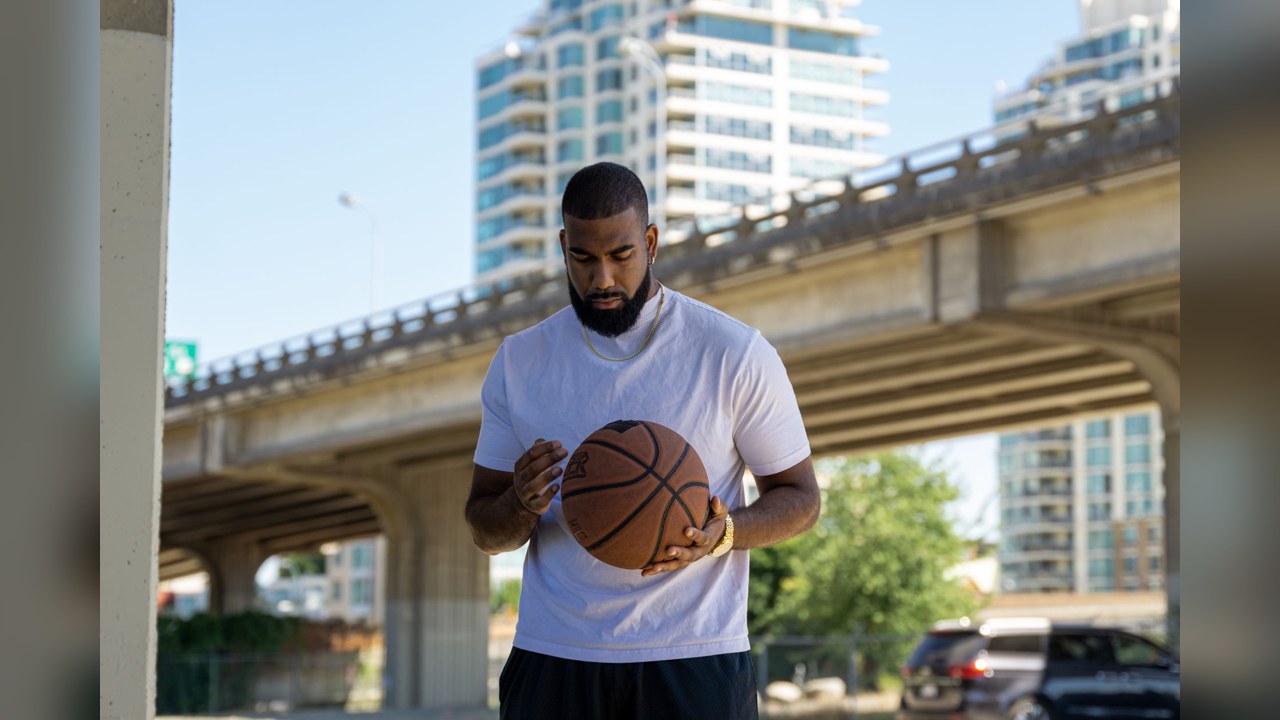
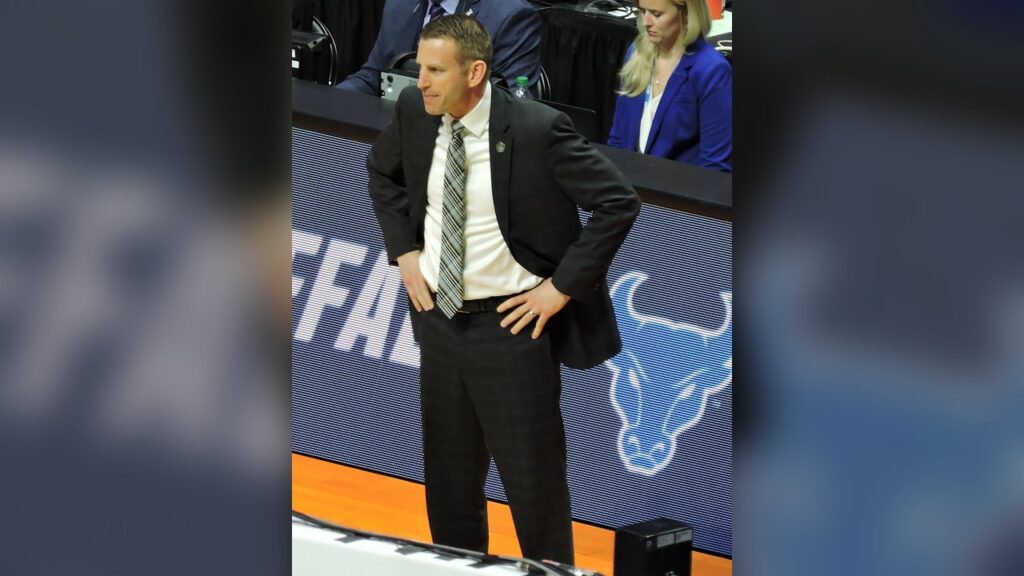
Nate Oats keeps collecting size. TJ St. Louis, a 7-foot, 266-pound center from Fort Erie Prep in Ontario, has committed to Alabama, a source told Rivals. He plans to enroll this fall.
The measurables jump off the page — 7-foot-5 wingspan, 9-foot-5 standing reach — but St. Louis arrives without a recruiting ranking, which makes him a bet on physical tools rather than proven production against elite competition. He spent this past season at Fort Erie after a stint at the NBA Academy Latin America, a developmental pipeline that has produced Division I talent but not necessarily household names. For an Alabama program that has leaned into roster construction through both high school recruiting and the transfer portal, St. Louis fits the profile of a developmental frontcourt piece who can be molded inside the system rather than asked to carry it immediately.
He becomes the fifth high school commitment in Alabama’s 2026 class, joining a group heavy on perimeter talent. Four-star small forward Jaxon Richardson (No. 26 nationally), four-star shooting guard Qayden Samuels (No. 32), four-star small forward Tarris Bouie, and four-star point guard Anderson Diaz (No. 56) round out the class. St. Louis is the first true center of the group, addressing a roster need rather than simply adding to the pile.
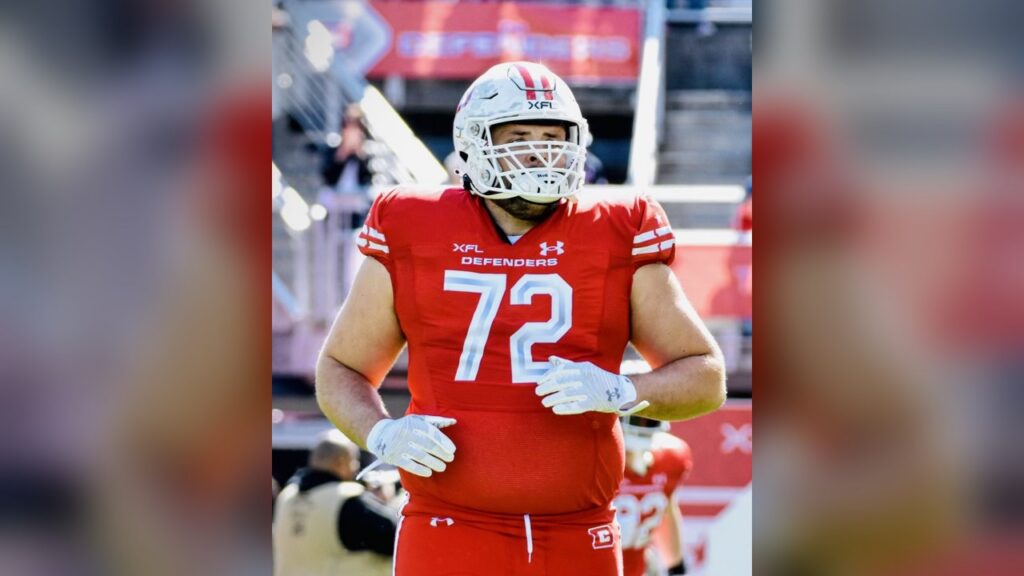
Oats has also worked the transfer portal aggressively, bringing in four players: Boise State center Drew Fielder, NC State guard Cole Cloer, Mississippi State power forward Jamarion Davis-Fleming, and Kentucky power forward Brandon Garrison. The portal additions suggest Alabama is retooling its frontcourt on an accelerated timeline, with St. Louis positioned as a longer-term developmental piece behind more experienced options.
The numbers on St. Louis are eye-catching in a vacuum. A 266-pound frame at 18 years old is already functional college weight, and a 7-foot-5 wingspan translates to rim protection and rebounding surface area that coaching can refine even if the offensive game lags. The question is whether his skill level can catch up to his body — the kind of projection that makes unranked prospects either steals or afterthoughts, with very little middle ground.
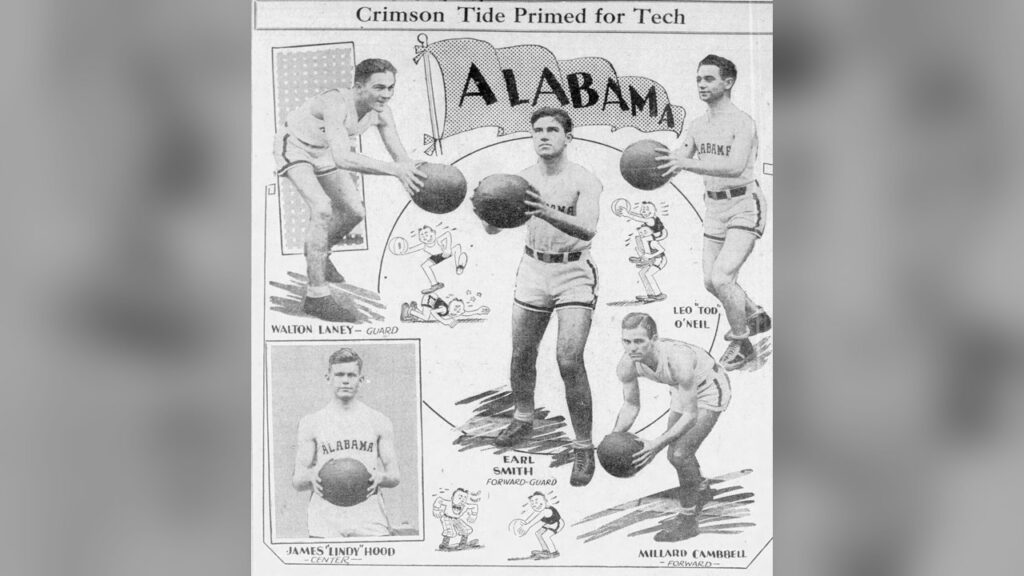

Alabama’s recent history under Oats suggests the staff is comfortable identifying frontcourt talent that recruiting services undervalue. Whether St. Louis follows that trajectory or simply provides depth remains to be seen, but the Crimson Tide now have a 7-footer in the 2026 pipeline, and in a sport where true centers are increasingly scarce, that alone carries value.