
Three weeks. That is the window Sens. Maria Cantwell, Ted Cruz, and Eric Schmitt have to push a revised version of the Protect College Sports Act to the Senate floor before Congress breaks for a monthlong recess on August 7. If they miss it, the legislative calendar collapses into the November midterm slowdown, and the SEC is ready to walk.
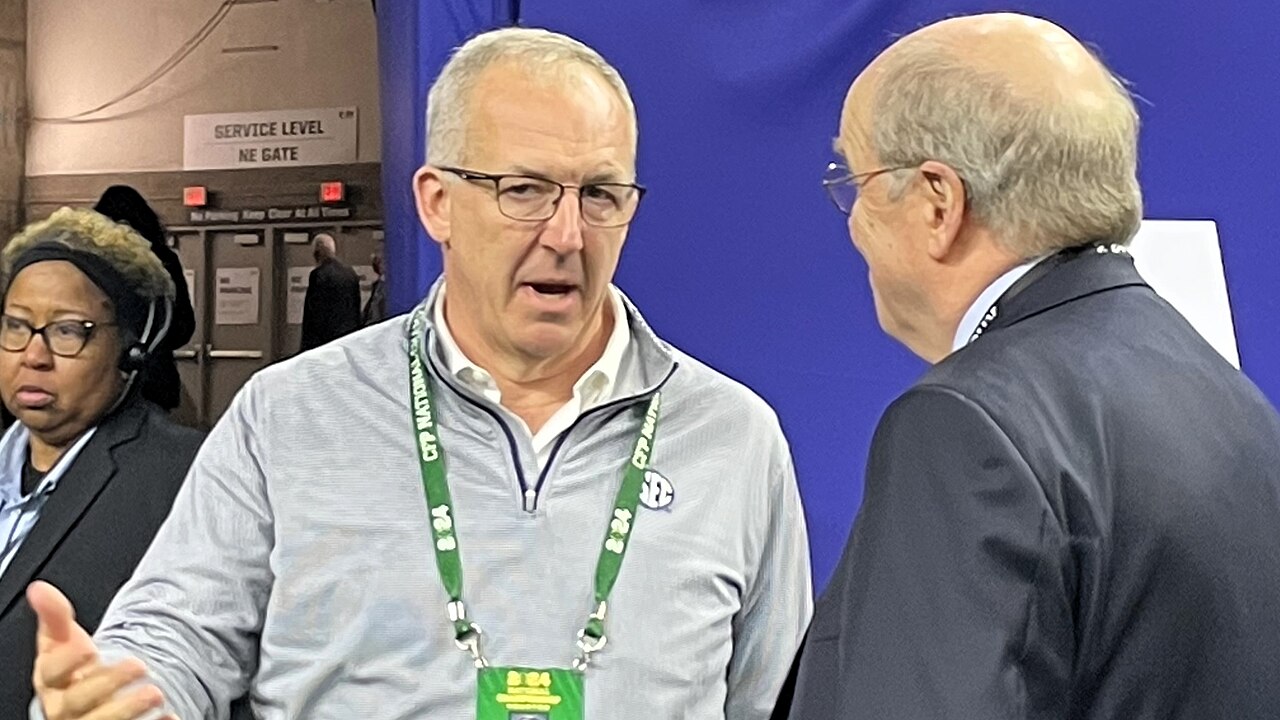
That walk has a name. “Plan B,” as described to Yahoo Sports by school officials familiar with the discussions, is a self-governance model in which the SEC would establish its own rules, enforce them internally, and potentially compete only against its own members. SEC commissioner Greg Sankey briefed athletic directors and university presidents on the contingency Thursday, though league officials stressed they still prefer a federal legislative fix.
“We are giving Congress time,” one school official told Yahoo Sports.
Time is the one commodity Capitol Hill is bleeding. Cruz, on a Tuesday call with multiple conference commissioners, floated a floor vote as early as next week — ambitious, by most realistic measures. A more plausible target is the week of July 27 or August 3. Even if the Senate passes the bill, it must clear the House, where leadership has already expressed opposition.
The revisions under negotiation target several flashpoints. The bill’s original anti-expansion provision froze Power Four conference membership at current levels, blocking any school from the American, Sun Belt, Pac-12, Conference USA, MAC, or Mountain West from moving up. Cantwell confirmed that language will change. “I want teams to be able to move where they want to, like Washington State,” she said Thursday from the Capitol. The revision may also permit power-conference programs to shift between power leagues — ACC or Big 12 schools to the SEC or Big Ten — within parameters still being formalized.
A separate revision would bar third-party entities, including private-equity groups, from poaching 20 to 30 major brands to form a breakaway super league. That provision was a specific ask from the SEC and Big Ten, and the Senate Commerce Committee agreed to it last month.
The thorniest unresolved issue is compensation. A provision added before the committee’s June markup vote expanded the definition of “associated entities” — primarily multi-media rights partners — to include all their activity under the bill’s compensation cap. Cantwell acknowledged the language overreached. “I think some of that activity isn’t [under the cap], but it has to have a valid business purpose,” she said. “We’re trying to get things like that right.” Solutions under discussion include expanding the cap or adding flexibility for schools through new cap-related rules.
Then there is employment. The bill is silent on whether athletes can be deemed employees — a compromise Cruz struck with Cantwell during negotiations. Sen. Bill Cassidy, the Louisiana Republican who chairs the Senate Health, Education, Labor and Pensions Committee, called that omission a “huge issue” and said he is working toward an amendment. The bill needs 60 votes in a 100-member chamber with a three-person Republican majority. Six Democrats supported it in committee last month, but resistance remains on both sides of the aisle.
“You’ve got to make sure that you are doing it in a way to gain more support, not detract,” Schmitt said.
The SEC’s Plan B is not a bluff dressed up as leverage. League officials believe a self-governing model applied to a smaller subset of programs could sidestep the legal challenges that dismantled the NCAA’s amateurism framework — the same framework that left the industry, in Dellenger’s phrasing, “rudderless, with few rules and enforcement.” Whether 16 schools operating under their own regulatory structure constitutes a sustainable enterprise or simply a slower march toward the same courtroom is a question the data does not yet answer.
For now, the SEC and Big Ten are still at the table. Schmitt said lawmakers may work through the weekend. “The safest route for us is to have as much time as possible and not let this go too late into July.”
Sources: