
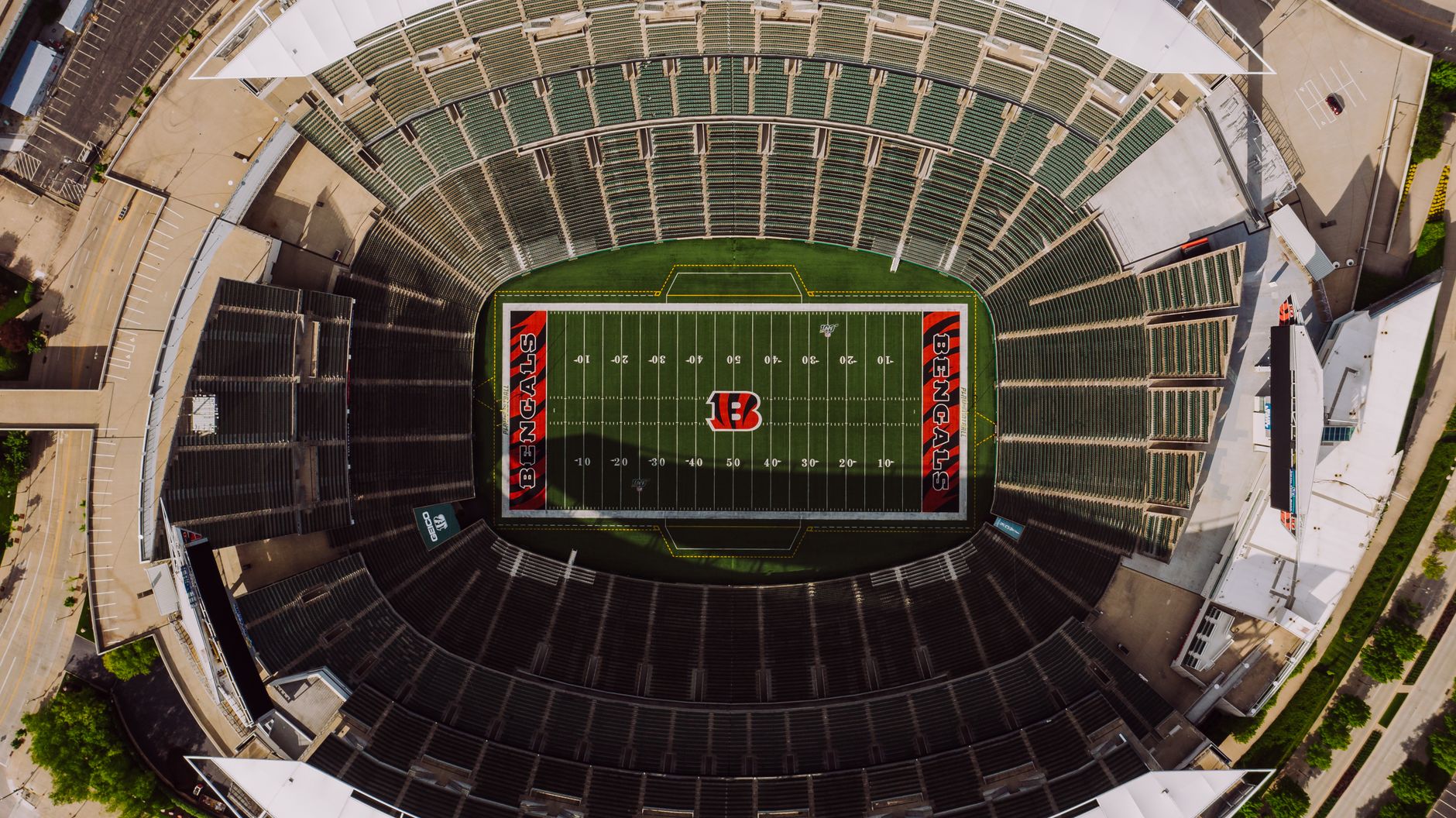
Seven NFL stadiums laid down natural grass this summer to satisfy FIFA’s requirements for the World Cup. The tournament ends. The sod comes up. The turf goes back down. And a group of NFL players is asking why the same fields that were good enough for international soccer are not good enough for the people who play on them 17 weeks a year.
A social media campaign under the hashtag #WorthTheCost has drawn posts from Chicago Bears quarterback Caleb Williams, Indianapolis Colts running back Jonathan Taylor, and Green Bay Packers linebacker Zaire Franklin, among others. Williams kept it simple: “Why can’t we have this too?” Taylor framed it as a priority test: “Natural grass isn’t out of reach. Prioritizing players shouldn’t be either.” Franklin went sharpest: “The cost of doing nothing is paid for by players’ bodies. Make grass mandatory.”
The NFL Players Association issued a statement just before the World Cup that laid out the argument in full. “It’s no longer a question of capability; the technology exists, the expertise exists and the resources exist to install the high-level grass fields that our players overwhelmingly prefer,” the union said. “We have seen the meaningful investments made to meet the standard for international athletes and global events. NFL players — who regularly compete on these fields, help fund these stadiums and whose work makes the league what it is today — deserve the same commitment to quality grass fields.”
The NFLPA has long cited a survey showing 92% of players prefer natural grass, and its own injury data indicates artificial turf is significantly harder on the body. The split across the league is even: 15 of 30 regular stadiums use grass, 15 use artificial turf. The case for turf has always been operational — lower maintenance costs, durability for multi-use venues, consistency in domes and cold-weather markets. The case for grass has always been the bodies.
What the World Cup inadvertently demonstrated is that the capability gap is not really a gap. FIFA did not invent a new technology to get grass into MetLife Stadium or AT&T Stadium. The league’s own stadiums can support it when the price of admission demands it. The NFLPA’s point is essentially an ROI argument: if the investment is justified for a month-long soccer tournament, the math should work for a product that generates roughly $20 billion in annual revenue and whose primary assets are the 53 men running on the surface every Sunday.
The league has not publicly responded to the campaign. Team owners have historically resisted mandates on field surfaces, citing cost and the logistical challenges of maintaining grass in venues that host concerts, college games, and other events. The collective bargaining agreement does not currently require grass fields, and the NFL has pointed to ongoing studies on turf safety rather than committing to a surface standard.
The #WorthTheCost posts are not the first time players have pushed the issue, but the World Cup gives them something they have not had before: visible proof, in their own buildings, that the obstacle is not engineering. It is a line item.
Sources: