
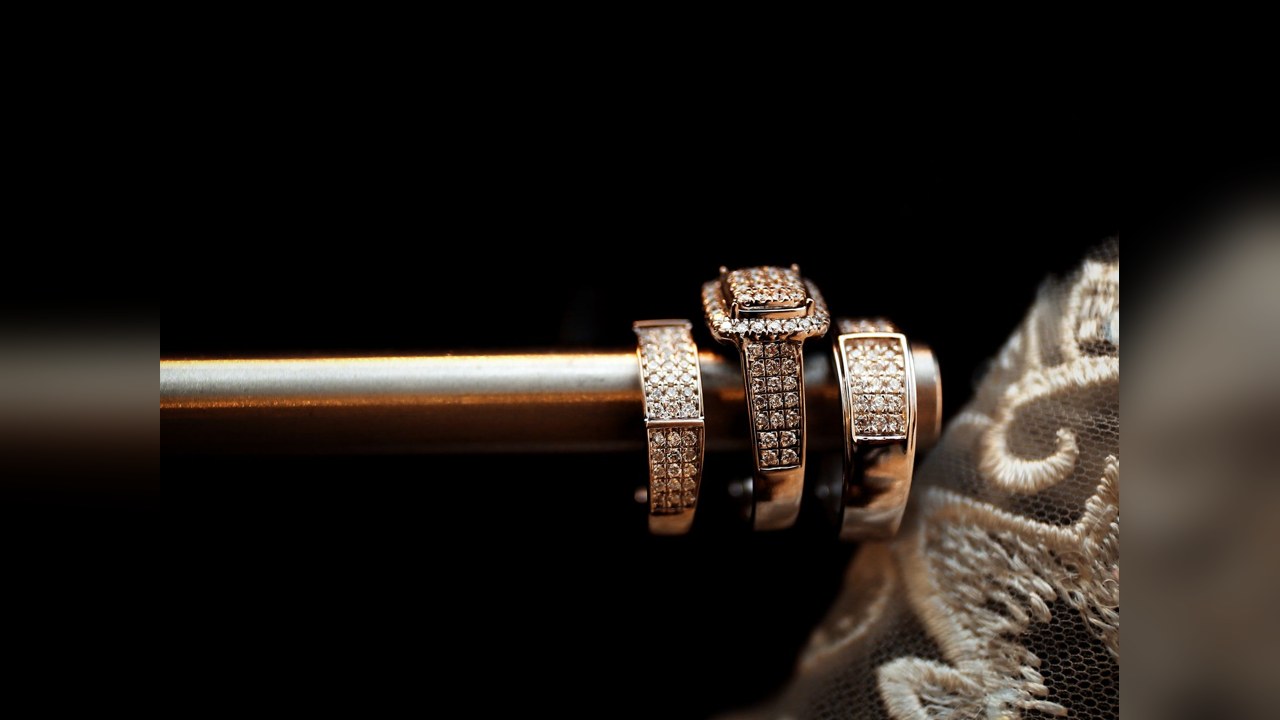
Championship rings. In soccer. I know — it sounds like someone handed FIFA a Bud Light and a foam finger and said, “You know what this sport is missing? Jewelry.” But here we are. The governing body confirmed Friday that whichever team lifts the trophy on Sunday — Argentina or Spain — will also receive bespoke championship rings, a first in the 96-year history of the World Cup.
Thirty rings go to the winning squad. The captain and head coach get temporary versions on the pitch at MetLife Stadium immediately after the final; the rest are custom-fitted and engraved later, one side bearing the World Cup trophy, the other carrying details specific to the champions. The players’ rings form part of a limited edition of 2,026 individually numbered pieces. The remaining 1,996? For sale to fans worldwide as officially licensed product. Because of course there’s a merch drop.
Championship rings are sacred currency in American sports — the Super Bowl, the World Series, the NBA Finals, the Stanley Cup. FIFA has never touched the tradition. Now it’s grabbing it with both hands, and the rings are just the shiniest piece of a tournament that has been steadily, unmistakably Americanized. Sunday’s final will feature a halftime entertainment show straight out of the Super Bowl playbook. Mandatory hydration breaks — three-minute pauses around the 22nd and 67th minutes — have effectively chopped matches into quarters, whether conditions demanded it or not. FIFA defends the breaks on player-welfare grounds, citing the heat and humidity of a North American summer. Players, coaches, and fans have called them what they are: two extra tactical timeouts dressed up in medical scrubs, with a convenient commercial window bolted on the side.
Now let’s talk about who’s actually earning the hardware.
The final is a dream matchup on paper and on the pitch. Defending champion Argentina, led by Lionel Messi in what could be his last World Cup, against Spain, the European champions and the only team in this tournament that has looked genuinely untouchable. Spain blanked France 2-0 in the semifinals. Argentina needed everything they had to get past England 2-1. Both sides have conceded across the knockout stage. Both have scored in every knockout match. This is not a cagey 1-0 waiting to happen.
Spain’s press has been suffocating — they forced France into errors that turned into goals, and their midfield has controlled possession in every knockout round without a single moment of panic. Argentina’s edge is Messi, obviously, and the fact that they’ve been here before. They know what the final feels like. They know how to win ugly. Spain has been winning pretty, and pretty has carried them this far.
The third-place match runs Saturday, July 19 — France vs. England, two teams that probably expected to be playing for the trophy and instead get a consolation prize nobody wants. The final kicks at 3 p.m. ET Sunday at MetLife Stadium in East Rutherford, New Jersey.
Give me Spain. They’ve been the better team across 90 minutes in every round, their defensive structure hasn’t cracked once in the knockouts, and Argentina has lived on the edge more than once this tournament. Messi can summon magic. Spain can summon control. Over 120 minutes, control wins.
And whoever wins, they’ll get a ring to go with the trophy. FIFA made sure of that.
Sources:
- Al Jazeera — World Cup winners to receive US-style championship rings, FIFA says
- FIFA.com — FIFA World Cup 2026 winners to receive historic first championship rings
- Yahoo Sports / Sporting News — World Cup bracket 2026: Live updated FIFA knockout stages
- Yahoo Sports — Where to watch the FIFA World Cup final in Upstate SC