

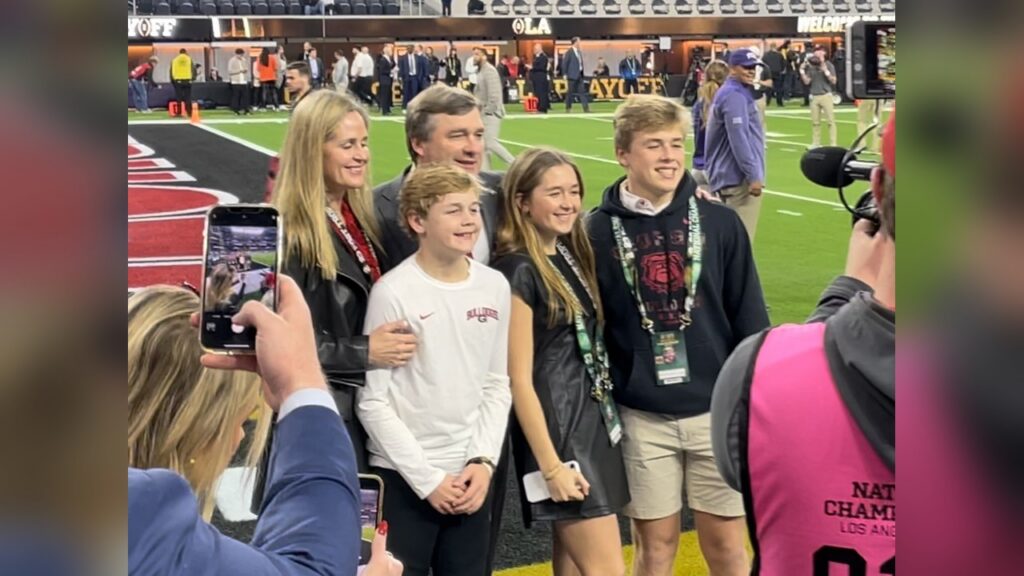
SEC Media Days produced the kind of quote that travels fast and tells you less than it sounds like it does. Georgia head coach Kirby Smart, asked whether he supports the SEC potentially breaking away from the NCAA, did not hesitate.
“Yeah, I’ve actually been there for a long time,” Smart said, via On3’s Brett McMurphy.
That is a coach endorsing a structural earthquake in college athletics — or at least saying he has been endorsing one quietly. The context around the quote gives it more weight than a single line usually carries. SEC commissioner Greg Sankey, in his opening remarks Monday, confirmed that internal conversations about the conference pursuing self-governance or separating from the NCAA are genuine.
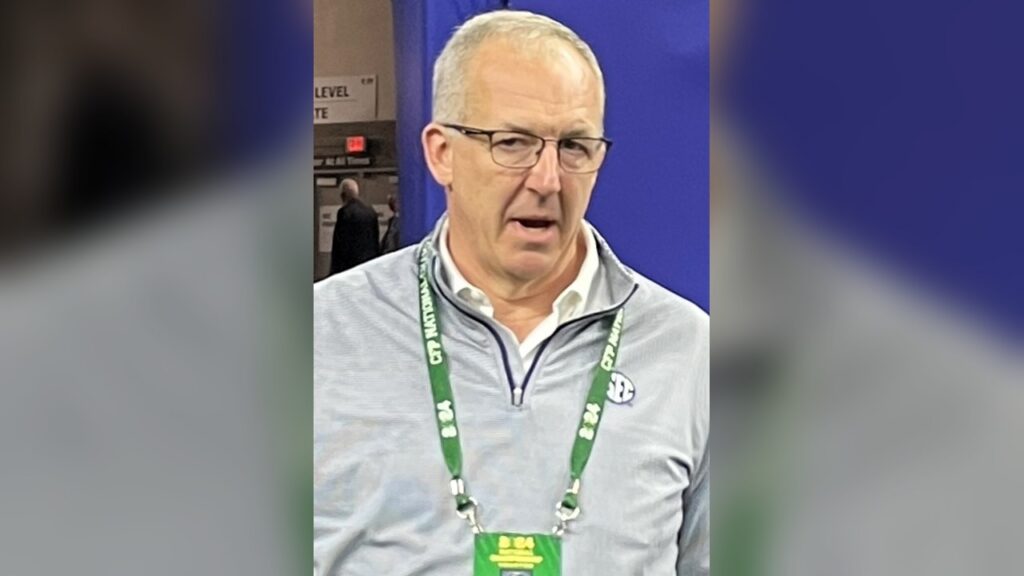
“You phrased the question, ‘How real?’ So I’ll take that as, like, real or not. So they’re real,” Sankey said. “People have talked about that. They’ve opined about the frustrations that bring them to the point of saying we should look at something significantly different.”
Sankey pushed back on the idea that the talk is a bargaining chip. “I do not believe that is a leverage point — I think that’s just honest communication. I would prefer that stay in a meeting room or on a video conference and not be part of the D1 ticker the next morning, but I don’t control all of that.”
The discussions have been percolating since the league’s spring meetings in Destin, where Georgia president Jere Morehead and Smart both raised the possibility of the SEC creating its own postseason playoff. Yahoo Sports reported that talks have continued around a “Plan B” involving some form of self-governance — the SEC setting its own rules rather than operating under the NCAA’s umbrella. Sankey pointed to precedent: the SEC previously enforced a sit-out year for players transferring within the conference, a rule no other league matched.
Whether the SEC would move alone or alongside the Big Ten remains unresolved. ESPN’s Paul Finebaum, appearing on Get Up, framed the obstacle in terms that anyone who has watched college sports litigate itself for the last decade will recognize.
“I think that’s what they would like to do,” Finebaum said of a breakaway. “The issue there is litigation for antitrust. If the Big Ten and the SEC suddenly formed a Super League, they would get destroyed in court, and that’s really the issue because all these players are going to court for their sixth, seventh, and eighth year of eligibility.”

Finebaum’s point lands harder when you run the numbers. The major professional leagues — NFL, NBA, MLB, NHL — all operate under congressional antitrust exemptions that allow them to set rules collectively without violating federal law. College sports has no such shield. The NCAA has lost or settled virtually every major antitrust case brought against it in recent years, from Alston to House. A SEC-Big Ten “Super League” that excluded other conferences would be handing plaintiffs’ attorneys a textbook restraint-of-trade claim.
“Without Congress giving them an antitrust exemption, which the major sports leagues have, as you all know, they’re still vulnerable, and that is really where we are right now,” Finebaum said.
So the SEC has a coach who wants out, a commissioner who says the conversations are real, and a legal landscape that makes acting on those conversations a high-stakes bet. Smart’s quote is the headline. Sankey’s confirmation is the story. The antitrust math is the reason nothing has happened yet — and the reason it might not, at least not the way the breakaway crowd imagines.