
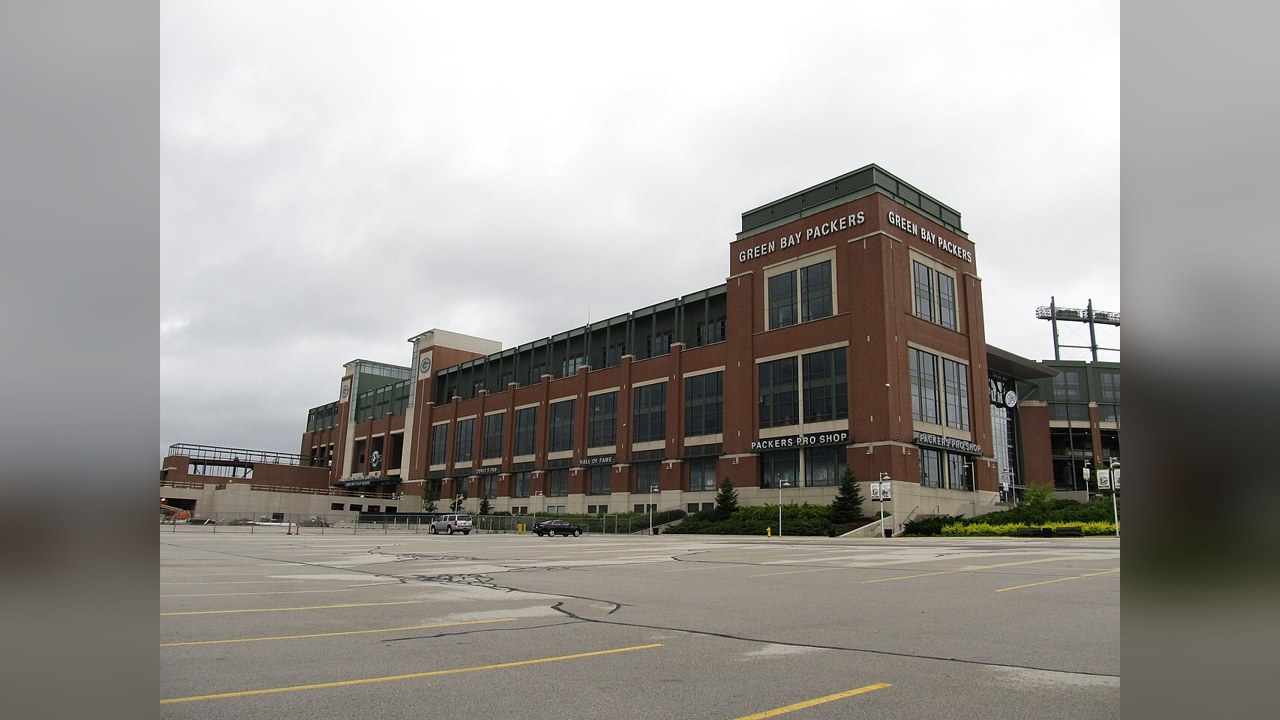
The Green Bay Packers just posted the fattest financial year in their history — $719.1 million in total revenue, a 9.9% jump from the previous year’s $654.1 million — and their outgoing CEO stood at the podium and told everyone the check still isn’t big enough.
Mark Murphy, delivering his final annual financial report before hitting the Packers’ mandatory retirement age of 70 in July, laid out the numbers with the kind of pride a lineman shows after a goal-line stand. Operating profit climbed 39.3% to $83.7 million. National revenue rose 7.5% to $432.6 million, fueled by escalating network television contracts and the league’s push into streaming — including the Christmas Day games that Murphy singled out as a particular draw. Local revenue surged 13.7% to $286.4 million, helped by a ninth home game and brisk business at the Packers Pro Shop, Hall of Fame, and stadium tours.
Then came the caveat. The Packers are the only publicly owned, non-profit franchise in the NFL. They have no billionaire owner to write a check when the roof leaks or a free agent needs wooing. Murphy has said this for years, and he said it again: the team’s corporate reserve fund — essentially a savings account that stands in for a deep-pocketed owner — grew by $75 million this year to roughly $611 million, with $24 million added annually. “We hope we never have to use it,” Murphy said. But it exists because nobody else is going to bail them out.
That reserve is the financial bump Murphy keeps talking about. It’s the cushion that lets a team without a Jerry Jones or a Shahid Khan stay in the fight when player salaries spike and facilities need upgrading. Expenses already climbed 7% to $635.4 million this year, driven by player contracts, first-class team travel — which Murphy called a priority — and depreciation on new construction, including a brand-new locker room, football offices, and administrative space.
Net income actually dropped from $98.1 million to $85.6 million, which Murphy attributed to investment performance rather than operational shortfalls. The team’s annual community contribution sits at $13 million, with the Packers Foundation now holding about $61 million. The Titletown District, the mixed-use development adjacent to Lambeau Field, has drawn $300 million in total investment from the Packers and partners including Kohler and Hinterland.

CFO Maureen Smith cautioned that the 2025 NFL Draft, held in Green Bay, would not show up as a revenue line item next year. “The draft was not a revenue generator for the team,” Smith said. “We spent a lot of money to activate around our fans for the draft to be here and those were not to raise money — it was about hosting a community event.”
Murphy’s tenure, which began in 2007, produced 178 regular-season wins, 12 playoff appearances, and a Super Bowl XLV title. He oversaw two stock sales — in 2011 and 2021 — that funded Lambeau Field renovations, and he spearheaded the Titletown District’s creation. The Packers have selected Ed Policy as his successor. Murphy was inducted into the Green Bay Packers Hall of Fame later in 2025.
Murphy called the organization “really special” and said he hoped he was “leaving it in a better situation than I found it.” The numbers say he is. The warning underneath them says the margin is thinner than it looks.
Sources:
- The Business News — Mark Murphy’s tenure ends in another strong financial year
- Sportico — Green Bay Packers’ Mark Murphy retiring in 2025
- ESPN — Packers CEO says financial bump needed to stay competitive
- Wikipedia — Mark Murphy (American football executive)