
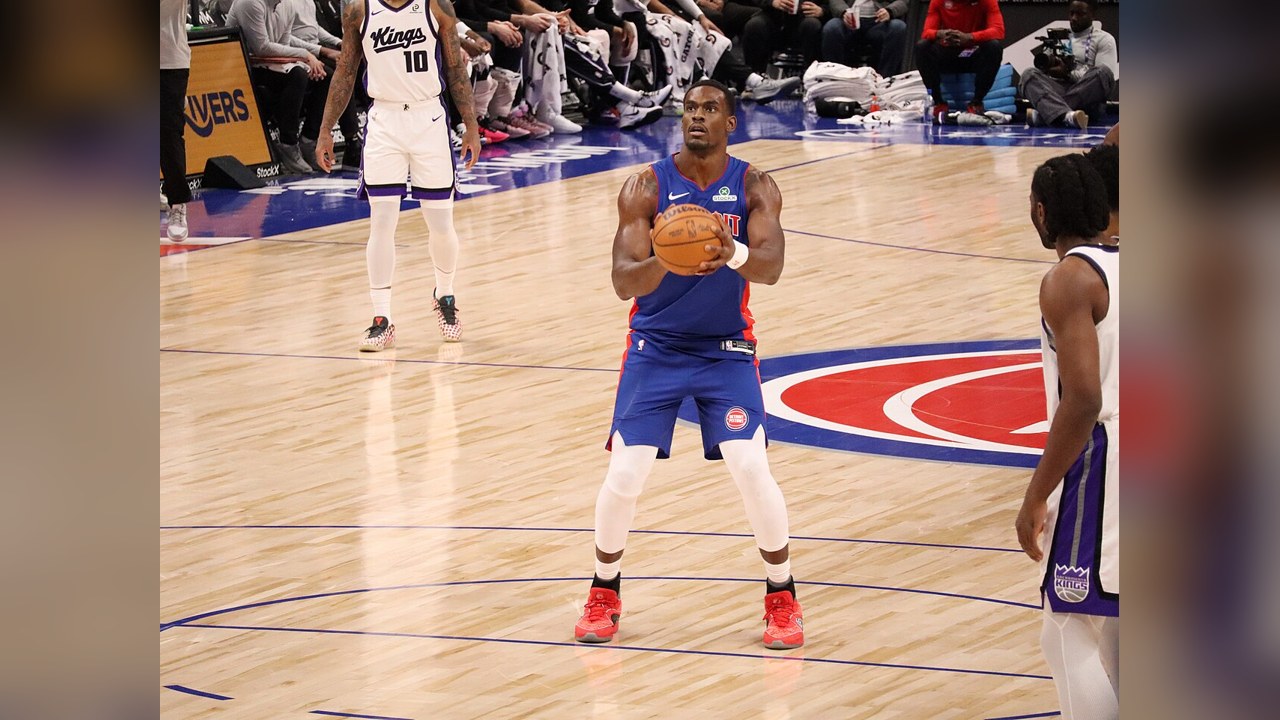
Contract negotiations between the Detroit Pistons and center Jalen Duren have produced what NBA insider Marc Stein described as “modest” progress, according to sources briefed on the discussions. The gap between the two sides, though, has not moved the Pistons off their stance: they want Duren back, and they are not entertaining alternatives.
Per Stein’s reporting, Detroit has consistently brushed aside any sign-and-trade scenarios and has told those involved that re-signing the 21-year-old center remains the franchise’s top offseason priority. That language — “top priority” — is not how a team talks when it’s preparing a pivot. It’s how a team talks when it has decided the player is part of the foundation and is simply waiting for the numbers to align.
Duren, the 13th overall pick in the 2022 NBA Draft, is eligible for a rookie-scale contract extension this summer. He is coming off a season in which he anchored the Pistons’ frontcourt during the franchise’s first playoff appearance since 2019 — a turnaround engineered by head coach J.B. Bickerstaff and built around the ascendance of Cade Cunningham and a young core that finally translated lottery picks into competitive basketball.
The Pistons’ season ended in a first-round series against the New York Knicks, but the broader story in Detroit was revival. Duren’s role in it was less glamorous than Cunningham’s and less loud than the trade-deadline additions, but it was structural. He rebounded, screened, finished at the rim, and gave a team that had spent years searching for an identity something it could reliably build around in the paint.
Which is exactly why the modest-progress framing matters. Rookie-scale extensions for big men who do not stretch the floor can be tricky to price. Duren is not a 20-point scorer. He is not a three-point threat. He is a high-efficiency finisher and one of the better offensive rebounders in the league for his age — the kind of profile that makes a team certain it wants the player but less certain about the exact figure that bridges the gap between “valuable” and “max-adjacent.”
The Pistons’ refusal to engage on sign-and-trade talks signals that they are not using that mechanism as leverage or as a quiet exit ramp. If Detroit were ambivalent about Duren’s future, a sign-and-trade framework would be the natural vehicle to recoup value. Instead, sources say the organization has shut that door repeatedly, treating it less as a negotiating tactic and more as a non-starter.
How the rest of the summer unfolds will depend on whether the two sides can find a number that reflects both Duren’s production and his ceiling. He will not turn 22 until late October. Centers with his combination of athleticism, rebounding instincts, and finishing efficiency do not frequently reach the open market at that age — and the Pistons appear to understand that keeping him off it is worth the patience.
Stein’s report does not indicate a timeline for resolution, but the structure of the talks — one side holding firm on priority, the other working through the arithmetic of a deal — suggests an eventual agreement rather than a departure. The Pistons have made their position clear. The remaining question is the price.