
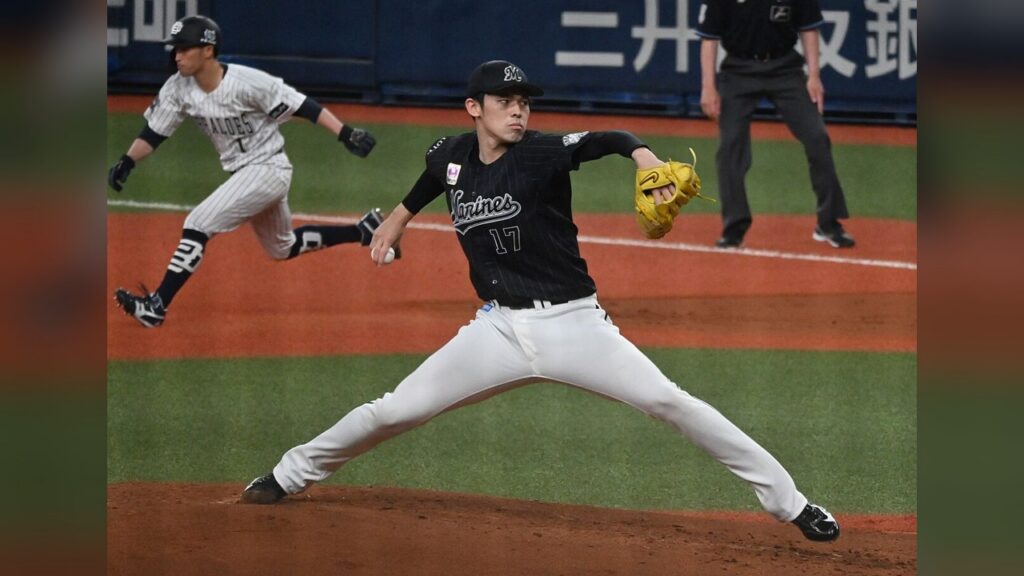
Roki Sasaki walked off the Citi Field mound Friday night with a line that looked like it belonged on a different pitcher’s résumé — the one the Dodgers thought they were getting when they won the sweepstakes for him last winter.
Seven innings. Three hits. One run — a solo home run. Two walks. Nine strikeouts. Ninety-four pitches, sixty-three of them for strikes. Against a Mets lineup that, for all its season-long misery, still ranks among the top eight in barrel rate and hard-hit percentage.
It was the kind of outing that makes you stop and recalibrate. Sasaki entered Friday with a 4.98 ERA, a 3-5 record, and advanced metrics that made a coach want to cover his eyes — 32nd percentile in expected ERA, fifth percentile in barrel rate, 11th in hard-hit percentage. The film had been ugly in stretches. When hitters squared him up, the ball left in a hurry, and the long ball has been his recurring wound: he came in having allowed the ninth-most home runs in the National League.
None of that showed up in Queens.
Sasaki built on the momentum from his previous start, when he threw 5.2 scoreless innings against the Yankees — one unearned run, five strikeouts, and a fastball that touched 101.8 mph on the stadium gun. That outing in the Bronx was the first sign the second half might be different. Friday night at Citi Field was the confirmation.

The 24-year-old right-hander pounded the zone with 63 strikes out of 94 pitches, a 67 percent strike rate that dwarfs his season norms. He scattered three hits across seven frames, working around two walks and keeping the Mets off balance enough to rack up nine punchouts. The only damage came on a solo home run — the kind of isolated blow that doesn’t beat you when the rest of the outing is air-tight.
The start came against a Mets team in full freefall. New York sat at 43-60, fifth in the NL East, having already fired manager Carlos Mendoza and staring down a trade deadline selloff. Sean Manaea, the opposing starter, carried a 4.74 ERA into the night. The Dodgers, at 65-38, owned the best record in baseball and an 11-game cushion in the NL West. They had swept the Mets in three at Dodger Stadium back in April, outscoring them 14-3 across the series.
Sasaki’s road splits had been a concern — his ERA was nearly a full run worse away from Chavez Ravine — and Citi Field is not the most forgiving yard for a pitcher prone to the long ball. Warm, clear conditions in Queens on Friday only raised the stakes. None of it mattered. He carved through nine.

The Dodgers have been patient with Sasaki through the inconsistencies, and Dave Roberts has had little choice but to keep running him out there given the wreckage on the injured list — Blake Snell, Tyler Glasnow, Gavin Stone, Bobby Miller, and Brusdar Graterol are all on the 60-day IL. The rotation needs Sasaki to be what he was Friday night, not what the percentile rankings say he’s been.
One start doesn’t erase a 4.98 ERA. But seven innings, nine strikeouts, and sixty-three strikes on ninety-four pitches — that’s the line of a pitcher figuring something out. The film doesn’t lie.

Sources:
- Fox Sports: Mets take home losing streak into matchup with the Dodgers
- Dodgers Beat: Dodgers Lineup vs. Mets — Tommy Edman Bats Third, Roki Sasaki on the Mound
- Yahoo Sports: Dodgers Announce Starting Pitchers for Series vs. New York Mets
- DraftKings Network: Dodgers at Mets Prediction — Friday 7/24/26