A theory circulating online asks whether Philadelphia 76ers owner Josh Harris could use his dual ownership of the team and the Fanatics/Topps trading-card empire to effectively subsidize a below-market LeBron James contract — and whether that would constitute NBA salary cap circumvention. The premise depends on a signing that, according to every verified report, has not occurred.
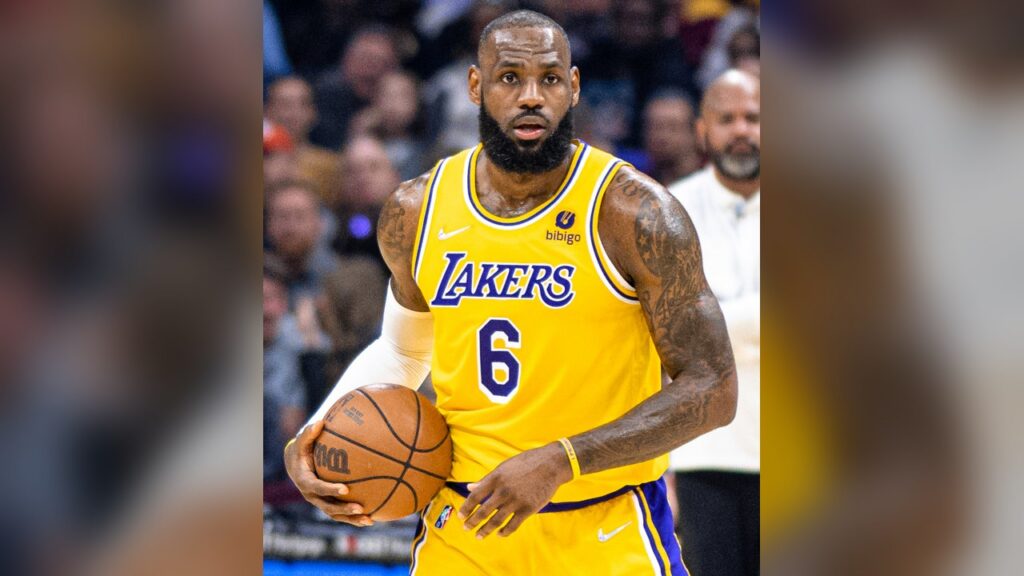
LeBron James exercised his $52.6 million player option with the Los Angeles Lakers on June 29, 2025, per Klutch Sports CEO Rich Paul’s announcement to ESPN, confirmed by NBA.com, The Guardian, and The Athletic. He is entering his 23rd NBA season — tied with Vince Carter for the longest career in league history — and will play a full season alongside Luka Dončić for the first time. Bleacher Report quoted James at media day saying his contract status will have “no impact” on the 2025-26 season. His current deal expires after the season, making him an unrestricted free agent in 2026.
The Yahoo Sports and Sixers Wire articles that describe James signing a two-year, $8 million veteran-minimum deal with Philadelphia reference his “24th NBA season” and a “2027 NBA title” chase — a timeline that places the hypothetical signing in the 2026 offseason, which has not yet arrived. Those articles also list roster moves — Jaylen Brown acquired, Dean Wade and Anfernee Simons signed, Labaron Philon Jr. drafted — that cannot be independently verified and do not appear in any mainstream NBA transaction reporting. Pennsylvania Governor Josh Shapiro is said to have declared July 24 “LeBron James Day,” though no official proclamation appears in state records.
The cap circumvention question, though, is worth examining on its merits — because the structural concern is real even if the triggering event is not.
Josh Harris owns the 76ers through Harris Blitzer Sports & Entertainment. He is also a significant stakeholder in Fanatics, the sports merchandise and collectibles conglomerate that acquired Topps in 2022. LeBron James signed an exclusive trading-card and memorabilia deal with Fanatics/Topps in 2022, ending a two-decade relationship with Upper Deck. If James were to sign an NBA contract well below market value — say, $4 million annually against a realistic floor of $30-plus million — while simultaneously receiving elevated compensation through a Fanatics/Topps deal controlled by the same person who owns his NBA team, the NBA would have a textbook circumvention concern.
The league’s Collective Bargaining Agreement prohibits teams from providing compensation to players “directly or indirectly” outside the salary cap structure. The spirit of the rule, if not always the letter, covers arrangements where an owner’s affiliated businesses funnel money to a player as a quid pro quo for taking a discount. The NBA investigated similar dynamics when Philadelphia’s own “Process” era raised questions about independent medical oversight, and the league has historically policed related-party transactions — from Joe Smith’s secret deal with Minnesota to the more recent scrutiny of owner-business relationships across sports.
The numbers make the hypothetical especially jarring. James has earned $581.3 million in on-court salary across 23 seasons