

Scoring 30 points per game in an NBA Finals series is hard enough. Getting both teams’ alpha to do it in the same series? That’s happened exactly twice.
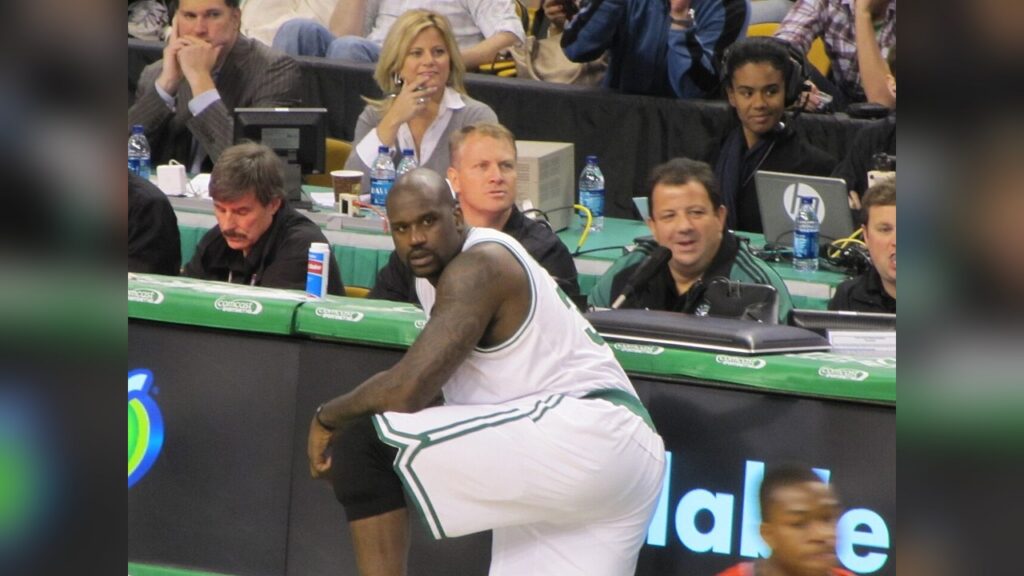
The 2001 Finals gave us the first instance. Allen Iverson, carrying the 76ers on a frame that looked too slight for the load, averaged 35.6 points across five games against the Lakers — including a 48-point eruption in Game 1 that handed Phil Jackson’s squad its only loss of that entire postseason. Shaquille O’Neal, the series MVP, went for 33.0 points, 15.8 rebounds, and 4.8 assists per game on the other side, per Basketball Reference. Two giants. Two different definitions of dominance. Both clearing 33.
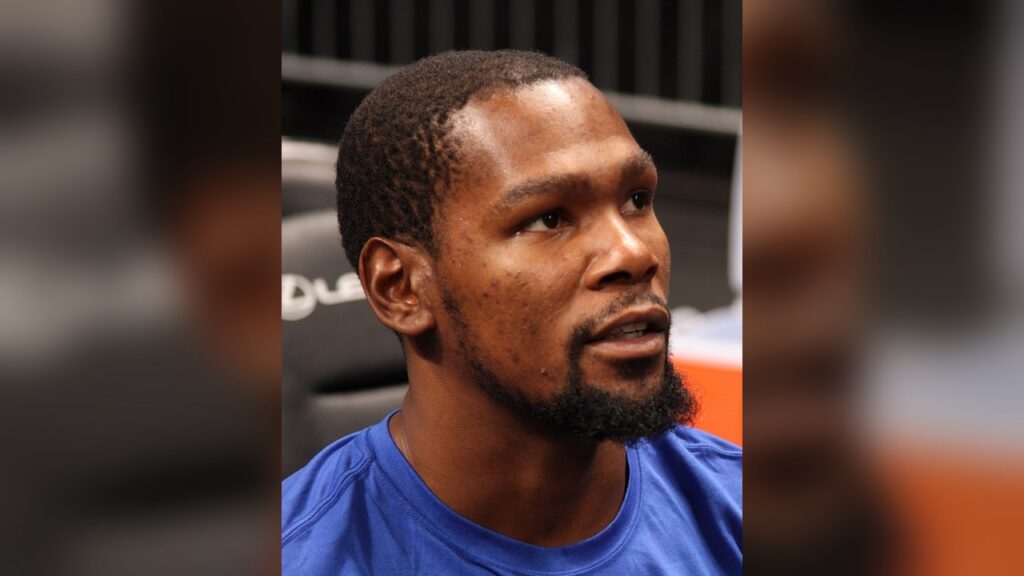
Sixteen years later, the 2017 Finals produced the second. Kevin Durant, in his first championship run with the Warriors, averaged 35.2 points and took home Finals MVP honors. LeBron James, doing everything short of coaching the Cavaliers, averaged 33.6. Basketball Reference confirms both lines. Again, every player involved sat above 33.
That’s the wrinkle that makes this more than a trivia answer. It’s not just that both teams had a 30-point scorer. It’s that in both cases, nobody dipped below 33. The bar wasn’t barely cleared. It was demolished.
The near-misses sting. In 2019, Stephen Curry averaged 30.5 points for the Warriors against Toronto, but Kawhi Leonard — the Finals MVP — came in at 28.5 per game, per Basketball Reference. One point and change separated Leonard from making it a third entry. In 2021, Giannis Antetokounmpo dropped 35.2 per game for Milwaukee against Phoenix, but Devin Booker finished the series at 28.4 — close enough to see the line, not close enough to cross it.
What ties the two qualifying series together isn’t just the scoring. It’s the matchup architecture. In 2001, Iverson was a one-man insurgency against a dynasty, and Shaq was the immovable object who didn’t need to be subtle. In 2017, Durant had joined a 73-win team and still had to be the best player on the floor against a LeBron who was averaging a triple-double the previous year. Both series featured a level of individual offensive burden that the modern NBA — with its spread floors, switch-heavy defenses, and load-managed stars — has made increasingly rare.
The 2001 Finals lasted five games. The 2017 Finals lasted five games. Neither went the distance. When both teams have a player operating at that level, the series tends to resolve quickly — because someone usually separates, and the other side runs out of answers.
Iverson lost. LeBron lost. The 30-point duel, it turns out, has only ever been won by the bigger body.