
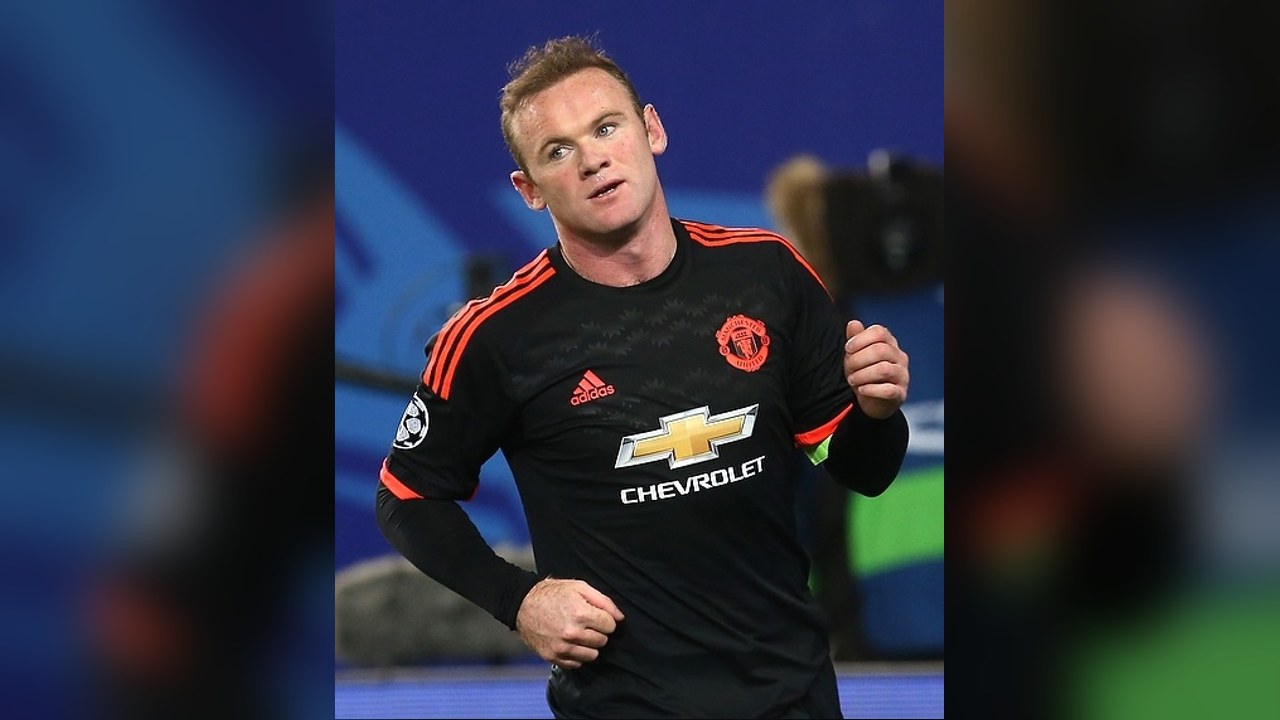
FIFA built a spectacle. Wayne Rooney wanted it over.
The 2026 World Cup final between Spain and Argentina paused for a halftime show that ran 11 minutes inside a break stretched to 27 minutes and 27 seconds — time needed to assemble and dismantle the stage at the New York/New Jersey stadium. Madonna opened. Gustavo Dudamel performed with the Muppets. BTS and Justin Bieber took turns. Shakira and Burna Boy closed with “Dai Dai,” the tournament’s theme song. Coldplay’s Chris Martin curated the entire production in support of the FIFA Global Citizen Education Fund. The in-stadium crowd gave the performers a strong ovation.
Rooney, working the broadcast as a pundit, was unmoved.
“My favorite bit of the half time show was when it finished,” he said. “I like all of them artists but I thought it was crap.”
His co-hosts did not see it coming. They were visibly surprised, then pivoted to dissecting a first half defined by the physical tone Spain and Argentina had established over the opening 45 minutes.
Rooney’s bluntness lands in a specific context. FIFA’s decision to stage a Super Bowl-style halftime performance during a World Cup final required nearly tripling the standard 15-minute intermission. That is not a marginal operational tweak — it is 12 extra minutes of players cooling down, losing rhythm, and having whatever tactical adjustments their managers delivered at the break diluted by a longer wait before the second half kicks off. Whether that tradeoff is worth it for broadcast spectacle is a question FIFA has clearly answered yes. Rooney, whose entire career was built on competitive intensity, answered no in the most direct terms available to him.
Spain went on to defeat Lionel Messi’s Argentina and lift the trophy. The halftime show reached millions of viewers worldwide. None of that changed Rooney’s assessment, which he delivered without hedging, without a qualifier, and without apparent concern for the room he was in.
The former England and Manchester United captain has spent his post-playing career in punditry, where his willingness to say what he thinks — sometimes to a fault — has become a defining trait. This was not a calculated hot take. It was a man who wanted to watch football and got 11 minutes of pop music instead.
Sources:
- Yahoo Sports
- People (referenced; page inaccessible)