
Ferran Torres will never buy a drink in Madrid again. The 106th minute at MetLife Stadium, extra time, ten-man Argentina hanging on by their fingernails — and Torres buried the only goal Spain needed. A 1-0 win in the 2026 World Cup final. La Roja’s second world title, sixteen years after their first. A Euro 2024–World Cup 2026 double that puts Luis de la Fuente’s squad in rarefied air.
Argentina didn’t manage a single shot of any kind until the 117th minute. Let that sink in. The defending champions, the team that beat England 2-1 in the semifinal, the team built around the greatest player of his generation — and they were spectators for nearly the entire final. Enzo Fernández’s red card late in regulation turned a desperate task into an impossible one.
Lionel Messi turned 39 during this tournament. He posted a message afterward that read like a man wrestling with the end of everything: “The pain is immense, and this wound will take time to heal. But I also hold onto all the good things… this group reached two consecutive World Cup finals.” He congratulated Spain. He thanked a country. He said nothing about what comes next — whether the boots stay on or the curtain falls for good on the international stage.
Argentina manager Lionel Scaloni left his post-match press conference in tears. FIFA has opened an investigation into ugly scenes after the final whistle. UEFA president Aleksander Ceferin boycotted the match entirely in protest against FIFA. The tournament’s first-ever 48-team format delivered drama, controversy, and a final that BBC columnist Pat Nevin described as falling flat — incredible right up until the showpiece itself.
But the story isn’t just about what ended. It’s about what’s beginning.
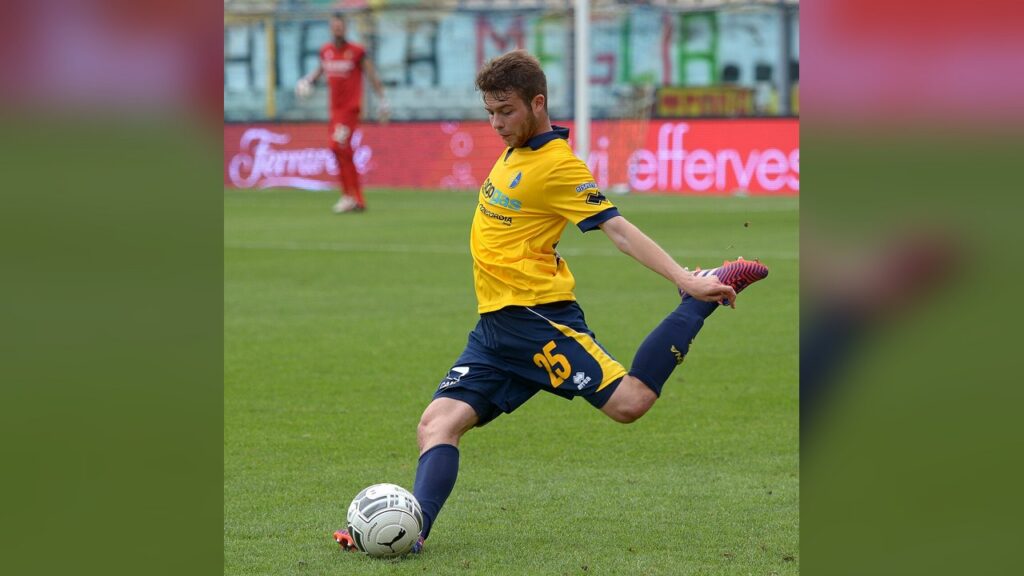
Lamine Yamal, 19 years old, was Spain’s best player across the entire tournament. CBS Sports analyst Chuck Booth put it bluntly: “He’ll have a Lamine Yamal who will be 23 by then [2030], ready to enter the cusp of his prime. As he’s already had a tournament as Spain’s best player under his belt, it’s scary to imagine the level that he’ll be at then.” Rodri took home the Golden Ball, cementing his case as the premier midfielder on the planet. The core of this Spanish squad, barring injuries, returns for a home World Cup in 2030.
Spain dominated the final before and after the red card. They held the ball, they pressed the lines, they made Argentina chase shadows for 90 minutes plus 30 more. Torres’s goal wasn’t a moment of luck — it was the inevitable conclusion of a team that had decided the trophy belonged to them and refused to accept any other outcome.
The BBC drew a peak audience of 15.8 million for the final. Fans flooded central Madrid to celebrate late into Sunday night. In New York, Argentine supporters stood outside MetLife in stunned silence.
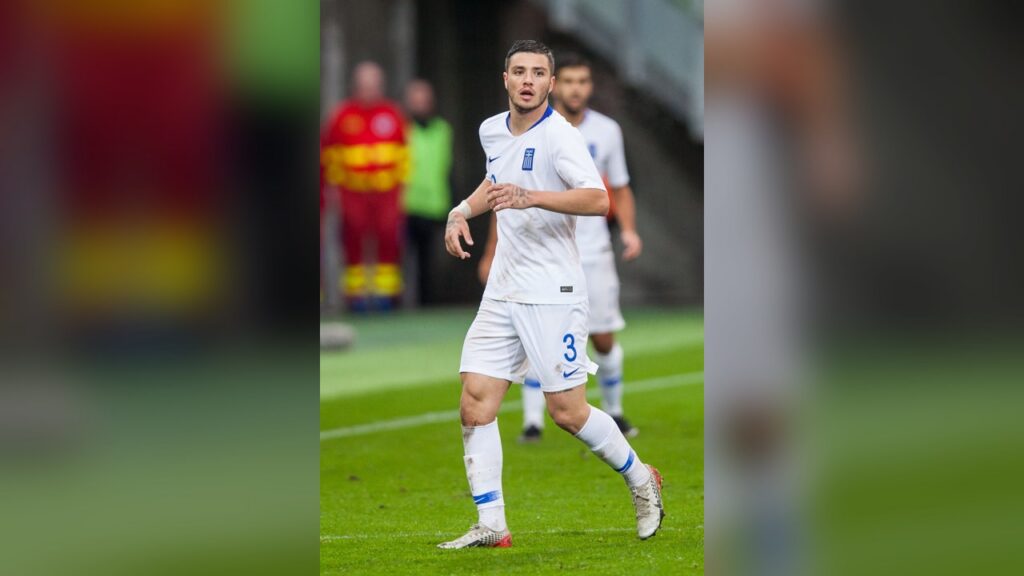
Messi’s tournament was a microcosm of his career — a penalty miss against Egypt, then inspiring a 3-2 comeback to reach the quarterfinals. He dragged Argentina to a second consecutive final. He just couldn’t drag them over the line one more time.
Spain are the new kings of global soccer. And they may not be done for a long, long time.
Sources
- CBS Sports — Footy Fix: Spain dynasty could be coming
- Yahoo Sports — Messi sends classy message after Argentina’s defeat
- BBC Sport — World Cup 2026 coverage