
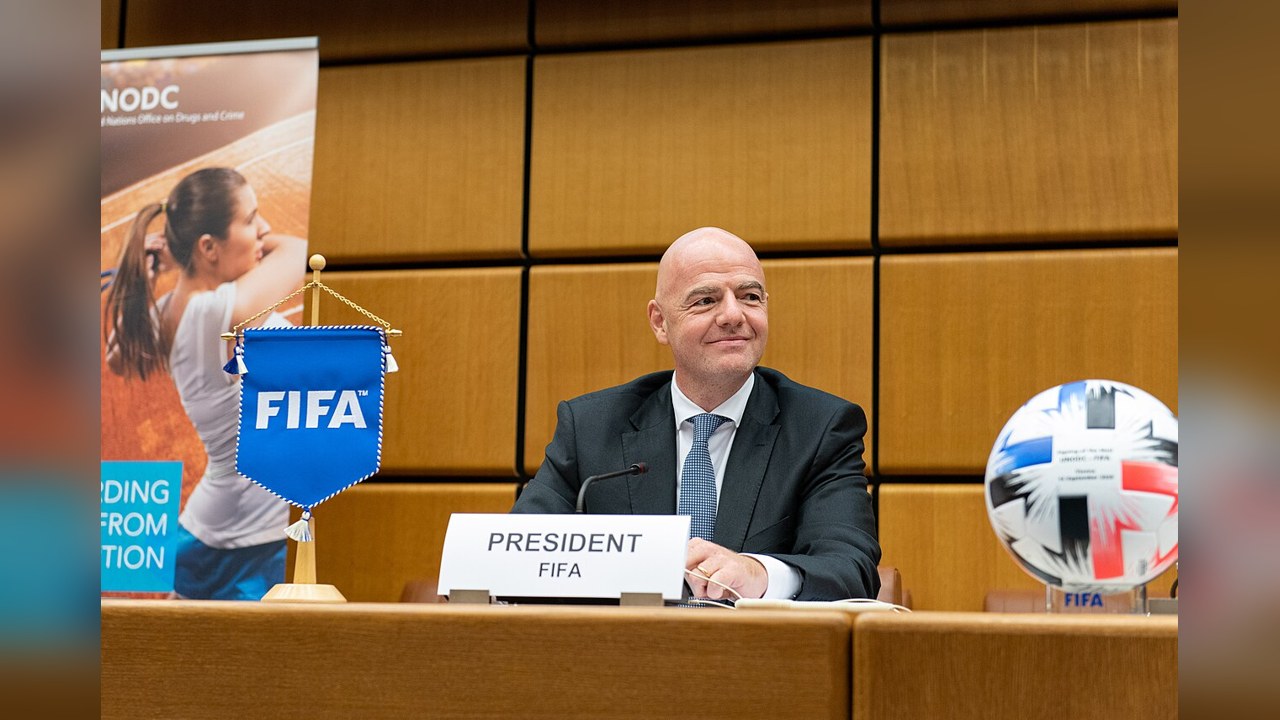
FIFA President Gianni Infantino published a 15-slide Instagram manifesto on Monday, reposted to the governing body’s eight million followers, in which he accused critics of the 2026 World Cup of “spreading hate and false rumours” and suggested they “meditate, pray or watch a football match” instead.
The post, dated July 27, came less than three weeks after Spain lifted the trophy in New Jersey and addressed — or rather, steamrolled — nearly every controversy that dogged the tournament across the United States, Canada, and Mexico.
“To those behind their pens and papers, behind their screens spreading hate and false rumours,” Infantino wrote, “while you are sitting behind, we at FIFA are on the front lines organising, working hard, and delivering the best show in the world.”
He claimed the tournament delivered “100% safety and security, only joy and happiness” and “zero incidents, zero violence.” The documented record says otherwise. Supporters were arrested at multiple matches, including after England’s semi-final against Argentina in Atlanta. Immigration and Customs Enforcement officers were stationed at World Cup stadiums. FIFA is currently investigating a post-final altercation between Argentina and Spain players and allegations of racist abuse directed at social media influencer IShowSpeed.
Infantino framed the visa crises that affected teams and officials from Iran, Haiti, Senegal, and Ivory Coast as a footnote. “You mentioned the few people denied visas and overlooked the millions who were approved,” he wrote. Somali referee Omar Artan was barred from entering the United States despite holding a diplomatic passport and a valid visa, cited for his “association with suspected members of terror organisations.” Iran’s head coach, Amir Ghalenoei, called his squad the “most oppressed” team at the tournament after the squad was forced to relocate its training base from Tucson, Arizona, to Tijuana, Mexico, and faced restrictions on movement between matches in Los Angeles and Seattle.
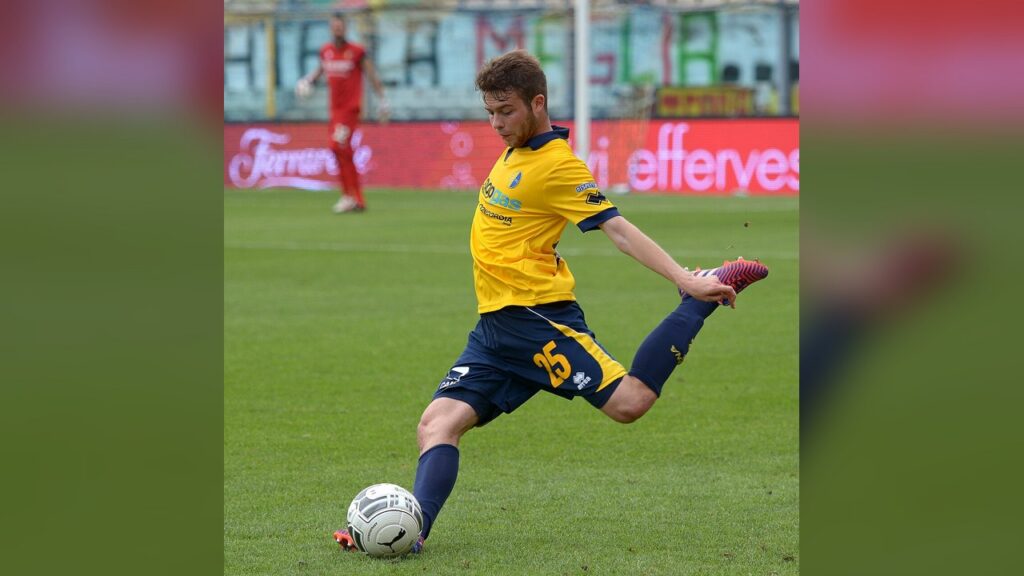
The Balogun affair received the most dismissive treatment. USA striker Folarin Balogun received a red card against Bosnia and Herzegovina in the round of 32 for a studs-up challenge on Tarik Muharemović. His automatic one-match ban was suspended by FIFA’s disciplinary committee under Article 27 of its code — after President Donald Trump personally telephoned Infantino to request a review, reportedly making three calls in total. Of the 191 other red cards issued at men’s World Cups, only one other player has escaped a suspension. UEFA called the decision “unprecedented, incomprehensible, and unjustifiable.” The Norwegian Football Federation is weighing a formal complaint to FIFA’s ethics committee.
Infantino’s counter: “Potentially mistaken red or yellow cards or subsequent decisions not to ban players in certain situations are routine and widely accepted in some of the biggest leagues worldwide. It’s curious that the same countries employing these practices are the ones criticising.”
The numbers don’t support the equivalence. Article 27 suspensions at World Cups are vanishingly rare, and no previous case involved a head of state lobbying the FIFA president by phone. Weeks after the suspension was lifted, Trump announced U.S. backing for Infantino’s candidacy in the 2026 UN Secretary-General selection.
Human rights group FairSquare filed a complaint with the International Olympic Committee alleging Infantino breached political neutrality rules by publicly supporting Trump. The IOC declined to investigate, stating the matter fell outside its ethics commission’s jurisdiction.
Infantino closed with an invitation to his detractors: “To those spending their time and energy hating us, please take a moment to reflect, meditate, pray or watch a football match and truly observe the faces, the eyes, the emotions.”
The 2026 World Cup’s final whistle sounded on July 12. Infantino’s whistle is still blowing.
Sources:
- BBC Sport — Infantino tells Fifa critics to ‘meditate, pray or watch football’
- Al Jazeera — FIFA’s Infantino issues letter, accuses World Cup critics of spreading hate
- Yahoo Sports — FIFA President Gianni Infantino lashes out at critics planting ‘seeds of hate’
- Wikipedia — 2026 Trump–FIFA red card controversy