
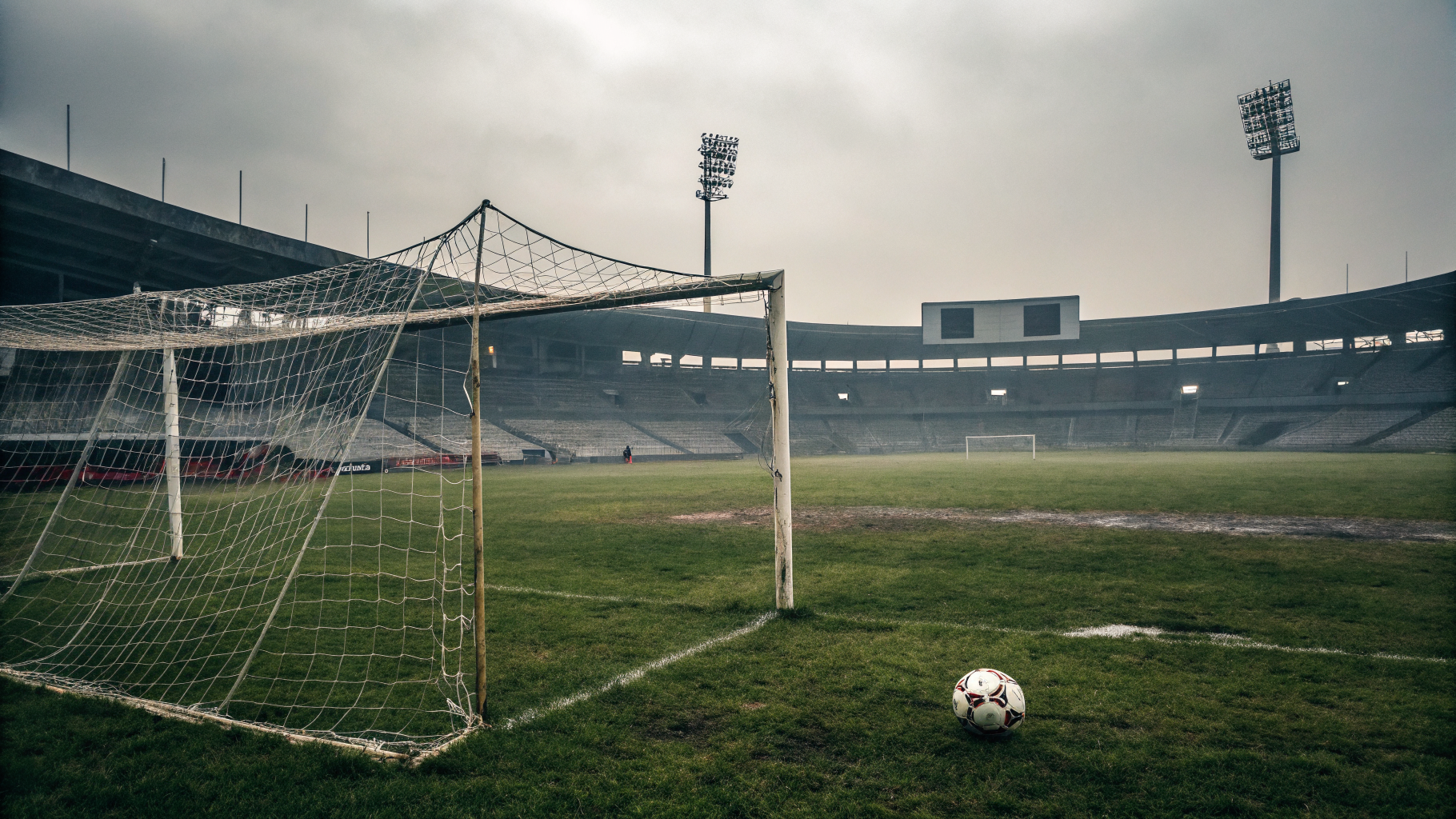
On July 19, Lionel Messi will walk onto the MetLife Stadium pitch for the 2026 World Cup final — the same building where, in 2016, he sat in tears after a Copa América final loss and briefly quit international football. He was 29 then and looked like a man who’d never get his trophy. He has one now. He’s going for two.
Argentina’s path back to the final was not a smooth one. Messi scored all six of his team’s group-stage goals. In the Round of 16, Egypt went up 2-0 with roughly 20 minutes left before Messi — who had missed a penalty earlier — flipped a switch, contributing a goal and an assist in a 3-2 comeback on July 7. The quarterfinal brought Switzerland. The semifinal, played July 15 in Atlanta, saw England take a lead before Messi delivered two late assists to secure a 3-2 win and a return to the championship game.
He is 39. In a sport where teenagers regularly start at the highest level, that number ought to disqualify him from this stage. It hasn’t, because Messi stopped trying to be the player he was at 25. He walks now. He stands still. He picks his spots. The legs that used to slalom through entire backlines have traded flash for function, and the trade has worked. Everything Argentina do runs through him — not because he demands it, but because he’s always exactly where he needs to be.
Standing across from him will be Spain, and specifically Lamine Yamal, who turned 19 during this tournament. The storyline has been impossible to ignore: in 2007, a 20-year-old Messi posed for a UNICEF campaign bathing a six-month-old baby. The baby was Yamal. His family had won a raffle for the photoshoot. Nineteen years later, the two Barcelona products — one established, one ascending — meet for the first time on the sport’s biggest stage.
Yamal has not been at his best this World Cup. A hamstring injury has limited the freer role that Spain manager Luis de la Fuente designed for him, and Spanish training staff have been handling him carefully. But Spain’s tactical structure has carried them to their first final since 2010 without requiring Yamal to carry the load alone. He is, by all accounts, determined to define the final regardless of what came before it.
Barcelona midfielder Dani Olmo, one of Spain’s most influential players throughout the tournament, grew up watching Messi at the Castelldefels ground where his father coached. A childhood photograph of a young Olmo watching Messi play has resurfaced in recent days. “What a twist of fate that we’ve ended up facing each other in a World Cup final,” Olmo told Mundo Deportivo. He acknowledged Messi’s form — “he’s having a spectacular World Cup” — but dismissed any sentimentality. “You have to beat the best in the world. Messi is one of them, and we’ve been drawn to face him in the final. So we’re going to win.”
Half a world away, the devotion runs deeper than tactics. In Kolkata, where football took root in the 1890s and never left, roughly 300 fans gathered at 3:30 a.m. on July 4 in Amartya Sen Udyan park to watch Argentina’s group-stage match against Cape Verde on a big screen. Rain had soaked the ground all night. When Lisandro Martinez scored in extra time, the crowd erupted, filming themselves screaming and high-fiving. Then the chant started — the Bengali pronunciation stretching the first syllable: “MAY-SI! MAY-SI! MAY-SI!”
Shib Sankar Patra, a tea-shop owner in north Kolkata, painted his family home in blue and white stripes and celebrated Messi’s 39th birthday with an 18-kilogram cake. He met Messi during a visit the Argentine made to Kolkata last year. “Messi put out his hand towards me,” Patra recalled, his eyes glazing over as he gestured. His daughter named her son Leo.
Messi has not publicly framed this final as a passing of the torch. He doesn’t think in those terms, according to those around him. Yamal doesn’t carry the weight of succession either — nothing has fazed him since he began illuminating major matches at 16. The torch, if there is one, will be decided on the grass. One of them will lift the trophy. The other will watch.
The film doesn’t lie about what happens after that.
Sources:
- Al Jazeera — Kolkata sings for Messi as World Cup fever takes hold
- Yahoo Sports — Dani Olmo reacts to facing childhood idol Lionel Messi in World Cup final
- Yahoo Sports — The World Cup final is Messi v Yamal, master v successor
- Yahoo Sports — What Messi taught me about getting old(er) this World Cup