
You coach long enough, you see everything. Thirty years of Friday night lights under those Texas moons and I watched dynasties rise and fall like wheat in a Panhandle wind. But what the NBA has done over these last fourteen seasons — that’s something different entirely. That’s a league that forgot how to repeat.
Since the Miami Heat raised the trophy in 2013, eleven different franchises have won NBA championships. Eleven. In fourteen years. The San Antonio Spurs got one. The Cleveland Cavaliers got one. Toronto, the Lakers, Milwaukee, Denver, Boston, Oklahoma City, and now the New York Knicks each grabbed their moment. The only team to win more than once in that entire stretch? The Golden State Warriors, who collected four rings across 2015, 2017, 2018, and 2022.
That’s not a league. That’s a round-robin tournament.
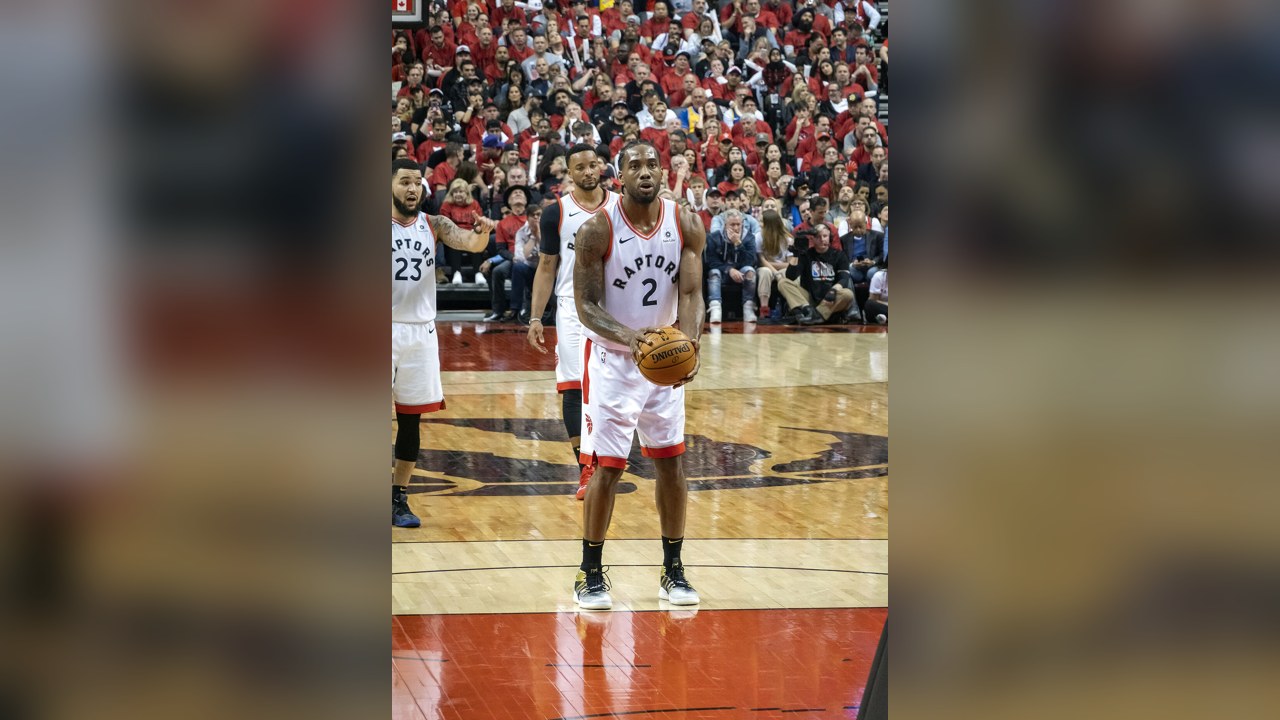
The stretch gets wilder the closer you look. The last eight champions — Raptors, Lakers, Bucks, Warriors, Nuggets, Celtics, Thunder, Knicks — are eight different franchises. Eight straight years, eight different names etched on the Larry O’Brien. According to Wikipedia’s records of the 2025 and 2026 Finals, that’s the longest such streak in NBA history, breaking the mark the Thunder extended to seven last June before the Knicks pushed it to eight.
Now, I’m a run-the-ball, control-the-clock man myself. I don’t trust spreadsheets further than I can throw a blocking sled. But even I’ll tip the cap to the numbers here: this is the most wide-open era the league has ever seen, and the film doesn’t lie.
Oklahoma City’s 2025 title was their first since moving from Seattle in 2008, and the first major professional championship for the entire state of Oklahoma. Shai Gilgeous-Alexander took Finals MVP after a seven-game grind against Indiana, where the Pacers’ Tyrese Haliburton tore his Achilles in the first quarter of Game 7. The Thunder had rolled to a 68-14 regular season — dominant by any measure — but they still needed every bit of it to survive.
Then came 2026, and the Knicks ended a drought that had stretched back to 1973. Fifty-three years. Jalen Brunson won Finals MVP after New York dispatched San Antonio in five games, and the way they got there was something to behold. The Knicks ripped off a 13-game postseason winning streak — second-longest in NBA history — with a playoff victory margin of 19.4 points per game. Game 4 of the Finals alone saw them climb out of a 29-point hole, the largest comeback in Finals history, before OG Anunoby tipped in the winner with 1.2 seconds left.
That’s the kind of thing that makes a man stop mid-sentence on the sideline and just watch.
The Warriors remain the outlier. Four titles in eight seasons, including back-to-back-to-back from 2017 to 2018, is the one true dynasty in this stretch. Everyone else has been a one-and-done visitor to the mountaintop. The Spurs’ 2014 title and the Knicks’ 2026 crown bookend the era with two of the most patient organizations in the sport, but neither could sustain it. Nobody could, except Golden State.
Parity like this used to be a baseball thing, or something you’d see on a Friday night when the 3A district was wide open and anybody could take it. In the NBA, where superstars and salary caps were supposed to concentrate power at the top, eleven champions in fourteen seasons is a genuine anomaly. The league has had dominant stretches before — the Celtics won nine titles in ten years back in the ’60s, the Bulls ran the table twice in the ’90s, the Lakers three-peated at the turn of the millennium. This isn’t that. This is something new.
Whether it’s the new collective bargaining agreement, the apron rules choking off roster construction for tax teams, or just a generation of talent spread thinner than a West Texas rain — that’s for the analysts to sort out. I just know what I see on the screen. And what I see is a league where nobody stays king for long.
The film doesn’t lie.
Sources:
- r/nba — “11 different champions in 14 years”
- Wikipedia — List of NBA champions
- Wikipedia — 2025 NBA Finals
- Wikipedia — 2026 NBA Finals