
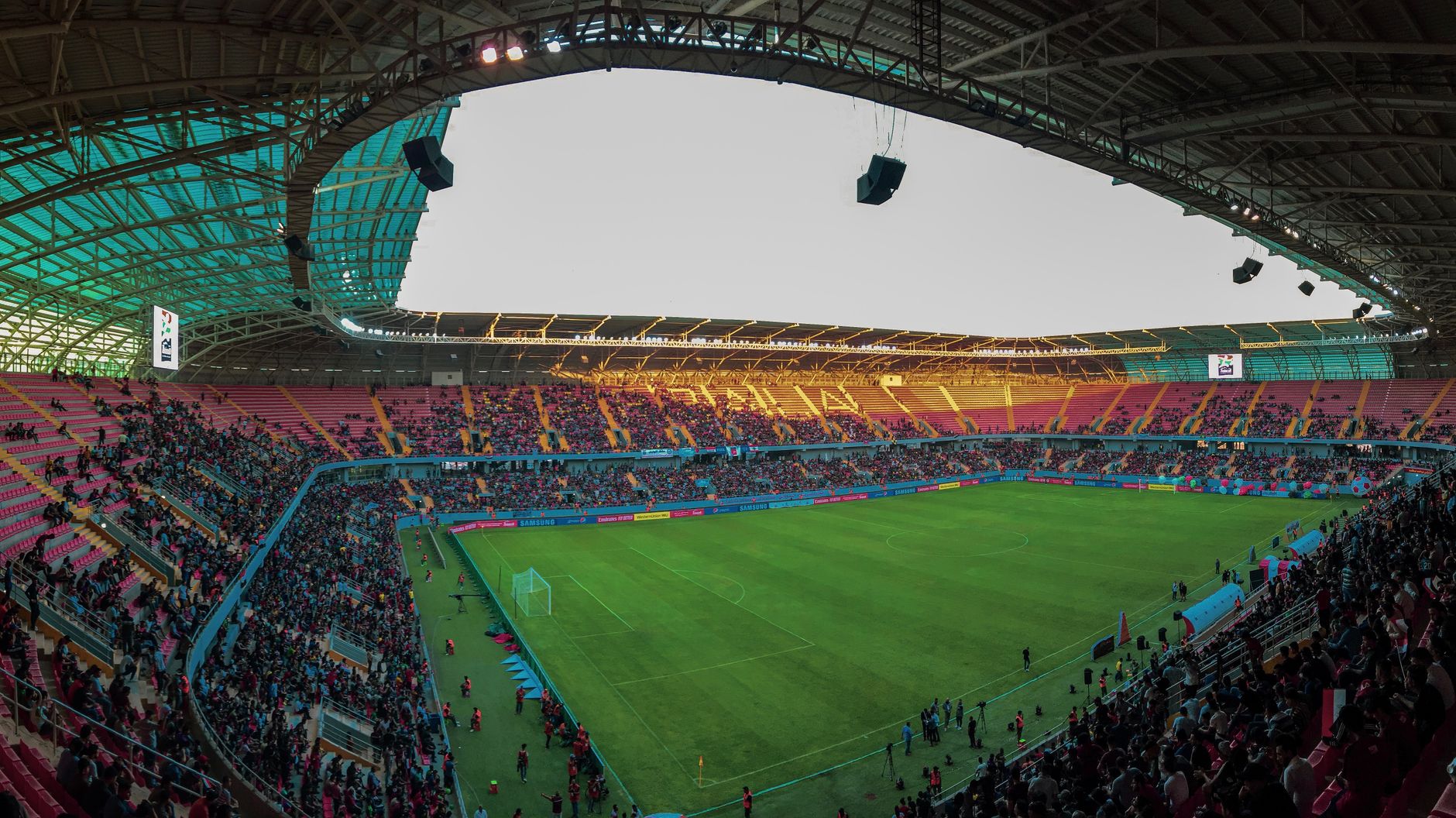
On May 26, the New York Mets were down 6-0 to the Cincinnati Reds, sitting dead last in their division, and the pitcher had recently been booed off the mound by his own fans. None of that stopped Citi Field from looking, sounding, and feeling — in The Atlantic’s words — “like a European nightclub on New Year’s Eve.” Flashing lights. Booming music. A 17,400-square-foot screen imploring fans to make noise. The fans obliged.
That scene opens a new Atlantic feature by staff writer Shirley Li, who at 38 is old enough to remember when you could hear an entire stadium go silent for a high-stakes at-bat. Those days are gone. A few years ago, about 50 percent of the dead air at Toronto’s Rogers Centre was filled with music cues and sound effects. Now that figure is closer to 95 percent. The Yankees have piped in a Star Wars sound effect at every two-strike count since 2021 — four years before they finally let players grow beards. Thirty years ago, the walk-up song was a novelty played once per at-bat. Today, many stadiums layer music between every pitch.
And baseball, Aaron Boone told a reporter, is just catching up. “It’s about time baseball caught up with the NBA,” the Yankees manager said when asked about being “suddenly deluged” by noise.
He’s not wrong. When the Knicks last won an NBA Finals in 1973, in-game sound in basketball was basically unheard of — too distracting. Now multimillion-dollar speaker arrays blast music virtually every minute, and fans wear ear protection like they’re at a concert. Which, functionally, they are. SoFi Stadium in Los Angeles hangs the Infinity Screen over its football field — a rubber band–shaped monitor weighing over 1,000 tons, bigger than the field beneath it. Many stadiums now hand out sensory kits: headphones, fidget spinners, the works, so neurodivergent fans can simply survive the experience.
The economics driving this are blunt. Teams aren’t building game-day experiences for the season-ticket holder who keeps a scorebook. They’re chasing casual fans who want a big night out and need cues telling them when to feel excited. Joey Graziano, chief commercial officer for the Indiana Pacers and WNBA’s Fever, told The Atlantic that the pandemic taught stadiums people want to do less — “but what they want to do, they want to do with more intensity.” The teams have pushed “unique culinary items” so fans can post an Instagrammable photo of a cake shake available only at a Fever game. At Citi Field, a vendor sells a novelty egg roll stuffed with a visiting team’s local dish — hotdish for the Twins, Cuban sandwich for the Marlins, clam chowder for the Red Sox.
Russell Kovshoff took over production for the Vancouver Whitecaps last year when it was “very minimal.” Within twelve months he’d added flags, pyrotechnics, drag queens, a 50-person dance crew, and a 100-person choir — all to fill a centuries-old sport with strict rules about in-game noise with as much entertainment as he could pack in.
The pushback is small but real. The Louisville Bats, a minor-league affiliate, run “Nothing Night” — no ad reads, no videos, no on-field promotions, just baseball. Vincent Zielen, the Bats’ director of marketing, framed it as both a reaction to the trend and another themed night where the theme happens to be “baseball.” He pointed to the Savannah Bananas, the barnstorming exhibition team whose slogan is “We Make Baseball Fun!” as proof that the entertainment-first model works.
The Atlantic reaches back to Roger Angell, who wrote in 1971 that “more and more, each sport resembles all sports” and that television’s “excessive excessiveness” threatened to “lay waste our powers of identification and enthusiasm and, in time, attention.” Angell thought baseball would survive because it was slow, rustic, introspective — immune to spectacle.
Whether that immunity still holds is the question the article leaves hanging. In San Francisco, you can still hear the seagulls. In good seats anywhere, you can still hear the thump of a fastball hitting leather — if you listen closely enough and no one is playing a DJ Khaled song.
Sources:
The Atlantic — “When Did Sports Get So Loud?”